


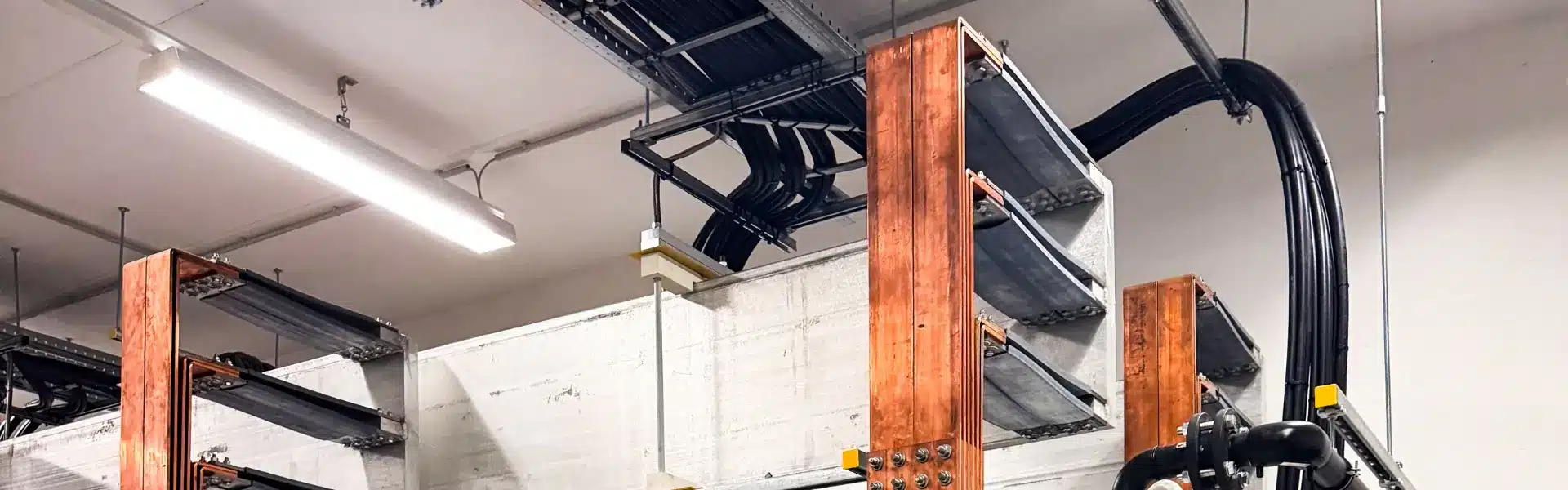

Busbars can be specified bare, but plating is widely used on copper and aluminium busbars in switchgear, power distribution and EV systems. The main reason is the joints. Bare copper oxidises in air, and bare aluminium forms an insulating oxide film almost immediately. Both raise contact resistance where busbars are bolted together, which means more heat at the joint and more maintenance over time. A tin, silver or nickel finish gives the joint a stable contact surface that is much less affected by oxidation, and some switchgear standards allow plated connections to run hotter than bare ones.
In this article we look at what plating does for a busbar beyond conductivity alone, and how tin, silver and nickel compare.
Why Surface Finishing Is Necessary for Enhancing Busbar Performance & Reliability
Enhance conductivity
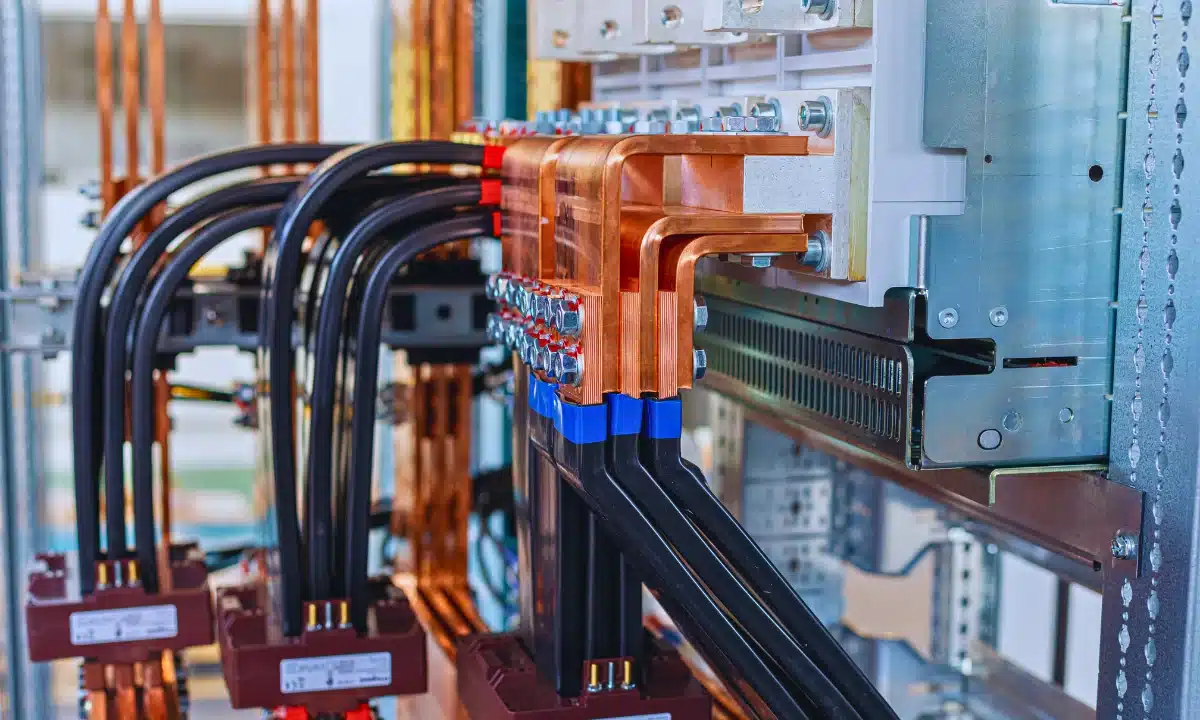
As busbars carry large currents between parts of a system, conductivity is critical to improve efficiency, minimise energy loss, and maximise performance.
Copper is a popular choice when it comes to busbar material but there are many use cases where (a) higher conductivity is required and/or (b) using bare, uncoated metal risks an unacceptable amount of oxidation, which we will discuss further below.
Therefore, plating copper busbars is an alternative way to achieve improved electrical conductivity and overall power system performance. By applying a silver-plating process, manufacturers can significantly improve contact conductivity and help maintain low resistance under load thanks to the excellent conductivity of silver. This makes silver-plated busbars particularly well-suited for high-voltage applications.
Maintain low resistance
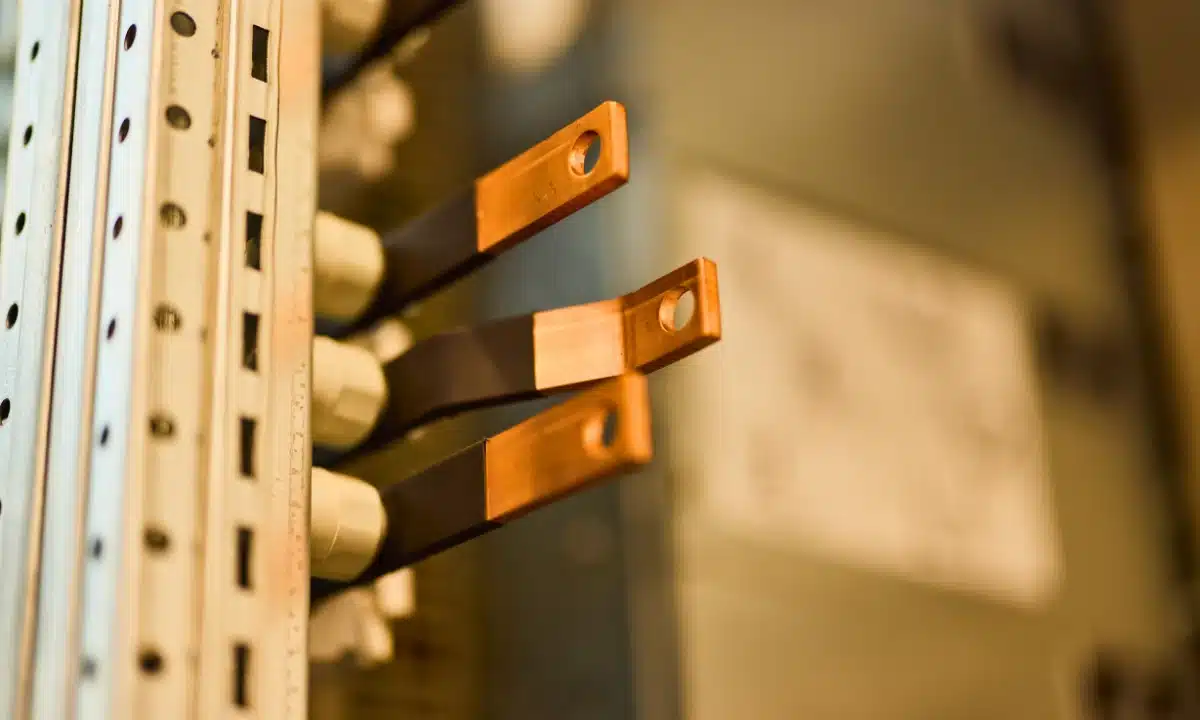
For contact points to maintain more efficient power transfer and prevent overheating, electroplating helps busbars maintain low resistance, which is crucial for electrical connections. Tin plating gives bolted joints a stable, low contact resistance, which helps reduce heating at the joint. This reduces resistance at joints and improves long-term electrical performance.
Protect against oxidation
Oxidation, a form of corrosion, is common on copper busbars and occurs when busbars are exposed to air and other environmental elements, forming a layer on the surface of the copper. Installations operating in harsh environments, such as marine, infrastructure, and data centre environments (White space & Grey space), are more susceptible to busbar oxidation.
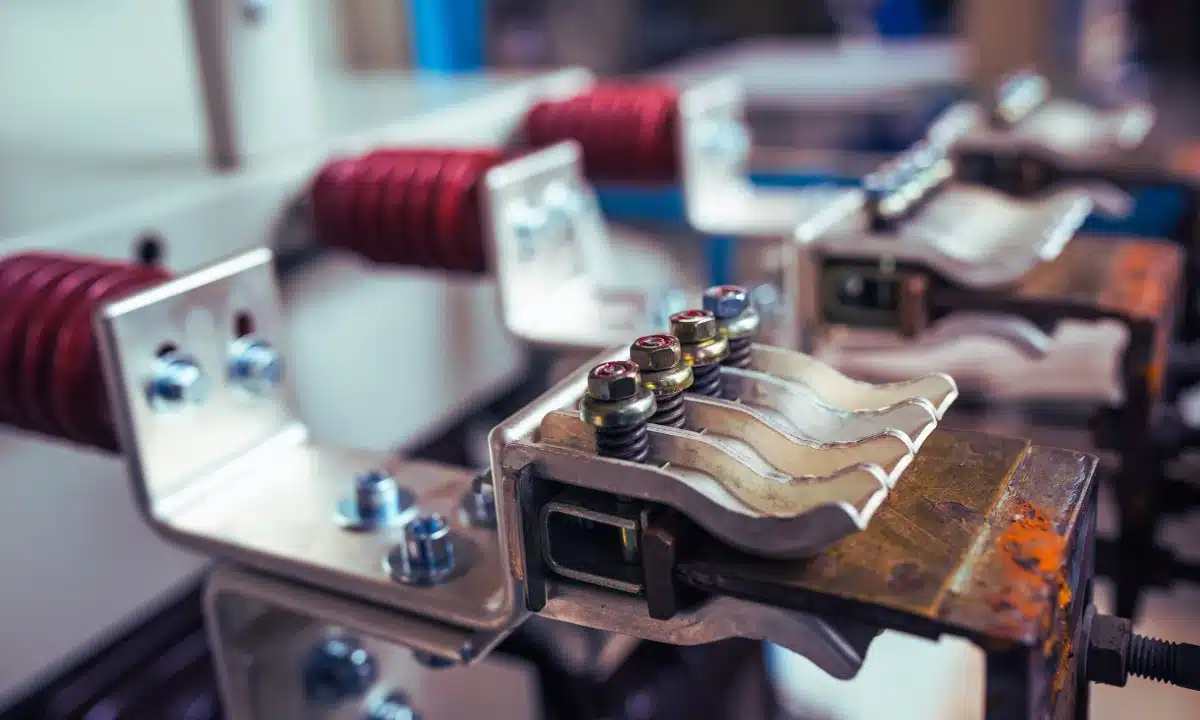
Surface treatments such as nickel and tin plating help protect against oxidation by forming a layer that acts as a physical barrier to protect the base metal.
Improve component durability
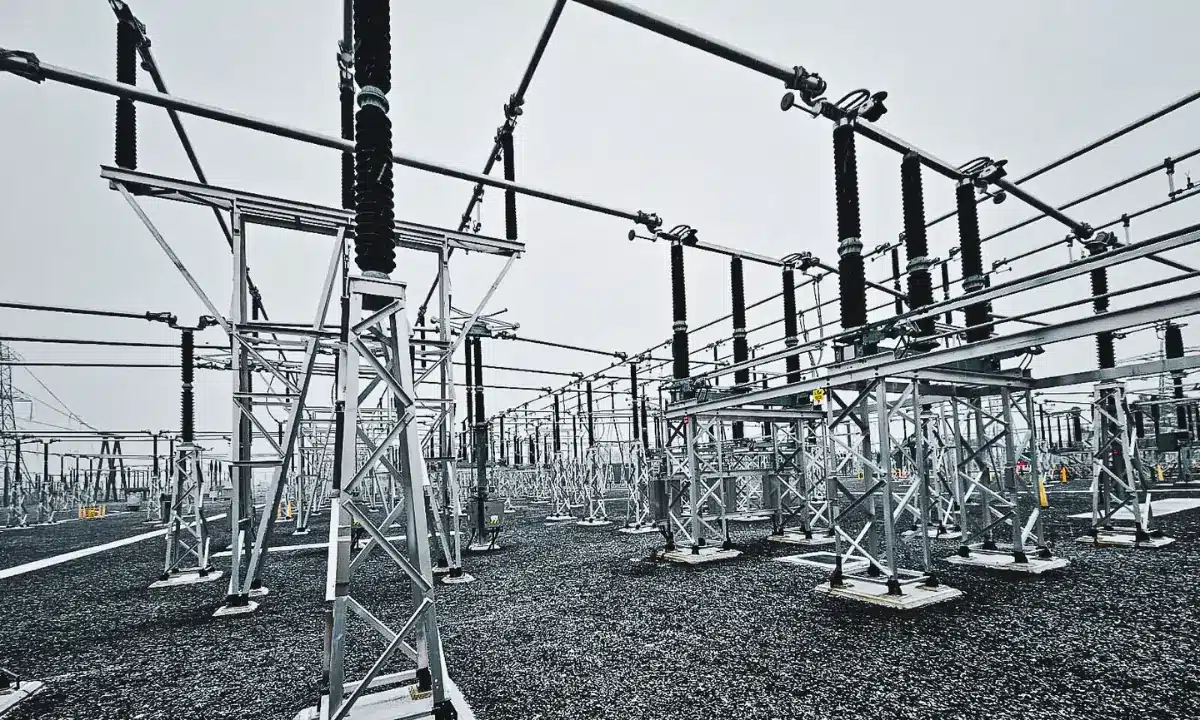
Durability is a key factor for efficient, cost-effective, and reliable power distribution systems. This requires busbars to perform effectively across a wide variety of applications and environments, including sliding and moving applications, joints, physical stress, and vibration.
If a busbar does not meet the requirements for these conditions, reliability is reduced and operations are affected. As a result, nickel-plated busbars are one of the preferred options for durable, high-quality busbars that can withstand harsh environments and applications involving movement.
Long term durability
Conditions change over time, and for many users of busbars, service life is just as important as the initial cost. Environmental and operational factors such as current load, temperature, and surrounding conditions can directly affect the service life of busbars, particularly at joints.
Therefore, it is not only important for the component to operate effectively today, but across its entire service life. This is why electroplated joints are preferred. The functional properties that electroplating provides, such as the low resistance offered by silver plating, remain stable and consistent over time, supporting long-term performance.
Decision-making is also a key determinant of reliability. Selecting the correct busbar material and coating, and matching them to the application and operating conditions, helps ensure durability.
Reduce build-up of dust
Plated surfaces are smooth and easy to wipe clean, which helps with maintenance in dusty places such as data centres.
Reduce material usage
Nickel, silver, and tin electroplating processes make efficient use of raw materials and, in many cases, reduce the total amount of material required. This benefits both cost control and sustainability for projects that use busbars and electrical connections.
According to suppliers and end users of low- and medium-voltage applications, un-plated busbar connections often require significantly more copper to carry the required current. Some switchgear standards, such as IEC 62271-1 for high-voltage switchgear, allow tin-, silver- or nickel-coated bolted connections to reach a higher temperature rise than bare copper. Where the joint is the limiting factor, this can let designers use less copper for the same current rating.
Budget and cost management
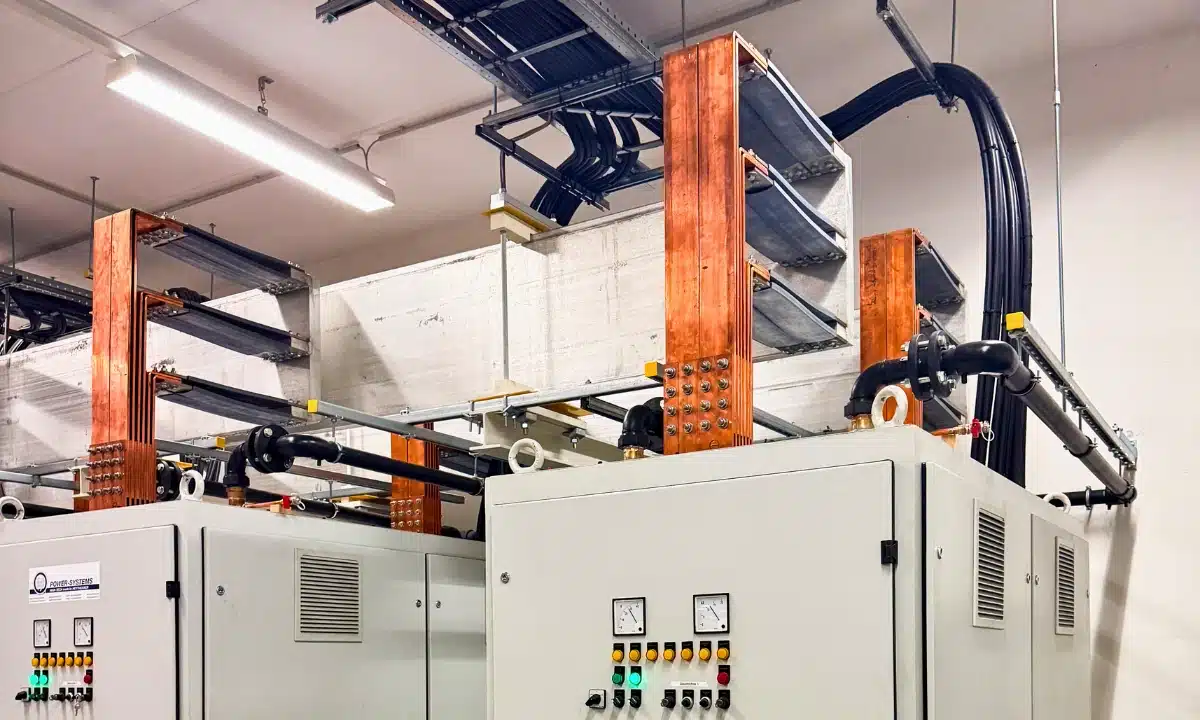
Where budget is a consideration, engineers may opt for aluminium instead of copper. This is made possible through the benefits of surface finishing. Although aluminium busbars do not have the same conductivity as copper busbars -nickel, silver, and tin plating improve conductivity and enable aluminium busbars to be used instead of copper, resulting in cost and weight savings.
While additional processes such as busbar plating do add to component costs, which can lead some users to rely on uncoated busbars, various studies show that the costs associated with corrosion, replacement, energy loss, and reduced conductivity are often significantly higher than the cost of plating processes themselves, particularly tin plating.
Lighter assemblies
As mentioned above, these benefits extend to applications where weight is a critical factor. Copper is over 300% heavier than aluminium, meaning that by using aluminium, users benefit from easier installation and reduced transportation costs while still achieving the performance required for power systems.
This approach is common in aerospace, automotive, and marine applications, where lightweight materials are preferred for performance and operability.
Allowing joints
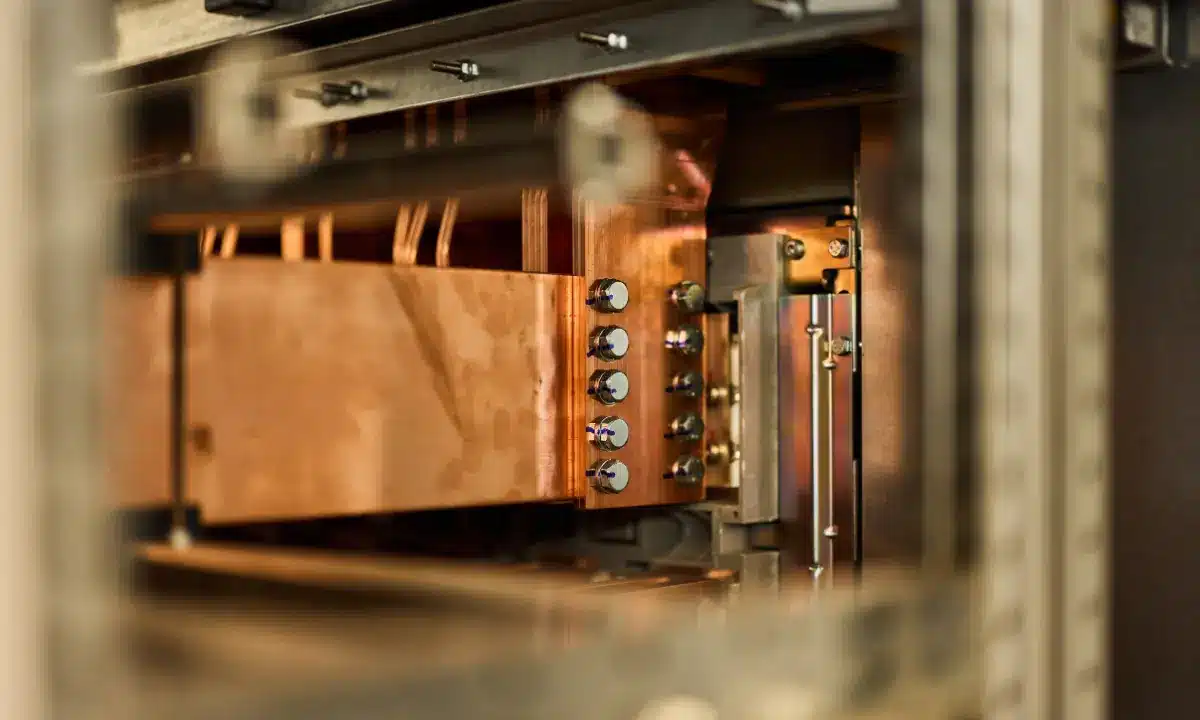
According to industry experts and users of busbars worldwide, manufacturers tend to favour plated busbar joints over un-plated ones, largely due to material efficiency. Using uncoated joints often requires significantly more material, sometimes up to double the amount, compared with busbars treated with silver or tin surface finishes.
Reliable electrical contact under sliding or rotational motion
Bare busbars can be unsuitable for applications involving movement, as the surface can be damaged due to a lack of wear and friction resistance. In contrast, busbars that have undergone dual plating processes, such as nickel followed by tin, benefit from increased wear and friction protection as well as improved corrosion resistance. This results in more durable and reliable busbars in applications involving sliding or rotational movement.
Ease of maintenance
Bare busbars can need more frequent inspection and cleaning, particularly at joints, which adds to running costs over time.
Compliance
Switchgear assemblies must pass temperature-rise checks under standards such as IEC 61439 (low voltage) and IEC 62271-1 (high voltage). The contact finish affects how hot a joint runs and, under some standards, how hot it is allowed to run. That makes plating part of how many manufacturers design to these limits.
Wider applications
Surface treatments allow busbars to be used in a wider range of applications than would otherwise be technically feasible or cost‑effective. From facilitating the growth of AI, to powering your local substation, to charging your new electric vehicle, and enabling renewables – busbar plating is vital to successful long-term deployment of modern technologies.
Tin, Silver or Nickel? Choosing a Busbar Plating Process
Tin plating
Tin is one of the most widely used busbar finishes and can be the lowest-cost option depending on a wide range of factors. Tinning busbars gives bolted joints a stable, low-resistance contact surface, helps protect copper from oxidation and moisture, and is easy to solder. Since tin softens at relatively low temperatures, tinned joints are generally kept to lower operating temperatures than silver. Bright tin is typically chosen where lubricity matters; dull (matte) tin where joints will be soldered.
Silver plating
Silver has the highest electrical conductivity of any metal and generally keeps a low contact resistance at higher temperatures than tin. That makes silver the finish typically specified for high-current joints, for example in switchgear, data centre power distribution and EV systems. We run a fully automated silver plating line for copper and aluminium busbars.
Nickel plating
Nickel is harder and more wear-resistant than tin or silver and resists corrosion well. It is typically specified for busbars exposed to abrasion, vibration, sliding contact or harsh environments. On its own, it is usually chosen for protection and durability rather than for the lowest contact resistance. We offer both electrolytic nickel and electroless nickel (ENP); electroless nickel deposits an even layer over complex busbar and switchgear shapes.
Nickel undercoat with tin or silver
For demanding bus bar applications, nickel is often plated underneath tin or silver. The nickel layer adds hardness for sliding contacts. It also acts as a barrier between the copper and the top layer, which helps slow the leaching/diffusion that can weaken tin at higher temperatures and helps reduce the risk of tin whiskers.
Plating aluminium busbars
Aluminium is lighter and cheaper than copper, but its oxide film makes bare aluminium hard to join reliably. Plating gives aluminium busbars a stable contact surface, so they can be joined in much the same way as copper. Aluminium needs specialist pre-treatment before plating. We are specialists in this area and can plate aluminium busbars with tin, silver, nickel and copper.
Not sure which finish suits your application or what the right plating process is? Our team can advise on the process, the plating thickness, lead times, storage and any masking or selective plating needed.