




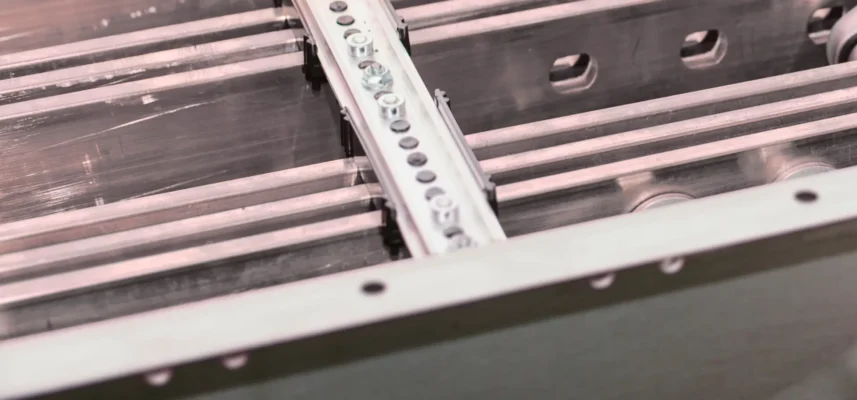
Busbar plating thickness is commonly specified between 2.5 and 15 microns, but this range is not suitable for every component, industry or operating environment. Contact surfaces may require only a thin coating, while busbars exposed to high levels of wear or harsh conditions may need a much thicker deposit. At Karas Plating, we therefore work to the requirements of each application, plating busbars from a thin flash up to 50 microns.
Across silver, gold, nickel, copper and tin plating, we support specified thicknesses from 1 to 50 microns. In this article, we explain how to determine the appropriate thickness for your busbars and explore how that choice can affect performance, protection, durability and cost.

Why plating thickness matters on busbars
Thickness of coatings on conductors is critical because it directly affects how a busbar performs electrically and mechanically, where it can safely be used, and how long it will remain reliable in service. It influences contact resistance, heat generation, corrosion resistance, and even how joints behave under vibration or thermal cycling. There are a few other key factors you also need to take into account:
Coating thickness is an important part of a busbar specification. Alongside the base metal, coating material, surface preparation and joint design, it can influence electrical contact performance, corrosion resistance, wear life and long-term reliability.
It can also affect how joints perform under vibration, repeated connection and disconnection, or thermal cycling. Several important factors should therefore be considered when specifying busbar plating thickness, these include:
Regulations
Some regulations and standards can influence thickness specifications; standards such as IEC 61439, ASTM B545 and ASTM B700 may be referenced in busbar and switchgear specifications, but the required thickness should always be confirmed against the drawing, application and relevant coating standard.
Surface Treatment
Protecting a busbar involves more than selecting a suitable finish. Coating thickness, surface preparation, adhesion and deposit quality all contribute to the performance of the finished component.
On copper busbars, an appropriate coating can limit direct exposure to the atmosphere, slowing oxidation and helping to maintain a stable contact surface. A thicker coating may provide greater durability and wear resistance, but thickness alone does not guarantee better performance.
Finding the ideal balance
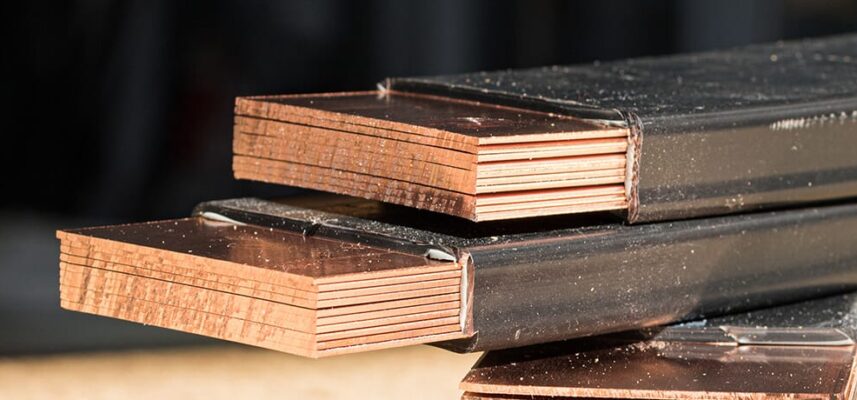
Plating thickness sets the balance between cost, performance and durability. Too thin, and the coating wears or corrodes early, causing contact problems, unplanned maintenance and higher losses at the joints.
Environment
The operating environment helps determine how much plating a busbar needs, as well as which finish should be selected.
Humid, polluted, corrosive or outdoor environments may require a more substantial coating to provide long-term protection. Indoor applications operating in dry, clean and mechanically stable conditions may perform reliably with a thinner deposit.
Temperature, chemical exposure, condensation and the expected service life of the assembly should also be considered.
Contact & Terminals
The way a contact surface will be used is equally important. Sliding contacts and frequently connected or disconnected joints can wear a plated surface more aggressively than fixed, bolted connections that are rarely disturbed.
For particularly harsh environments or high-wear contact areas, thicker deposits may be specified, potentially up to 50 microns depending on the selected finish and technical requirements.
If the finished coating does not meet the specified thickness, the busbar may initially appear functional but could experience premature coating failure, unstable contact performance or increased maintenance requirements later in service.
How is plating thickness measured?
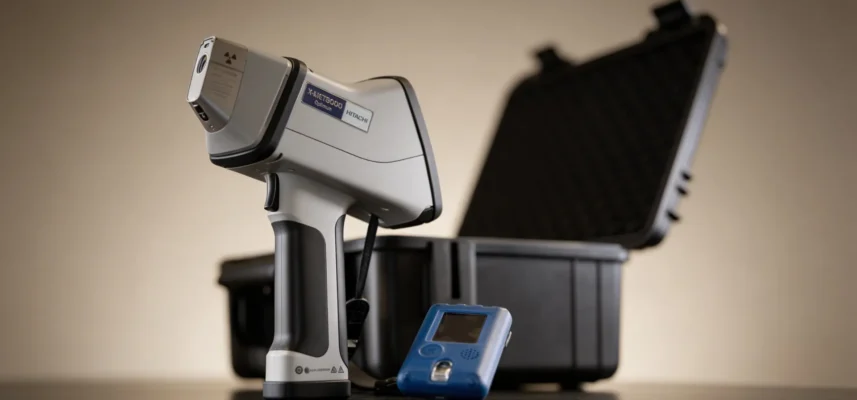
We verify plating thickness using X-ray fluorescence (XRF) equipment across our busbar coating processes, including handheld units for on-site checks and parts with awkward geometries. This non-destructive method measures both thickness and coating composition directly on the finished component, so you get quantified evidence that your busbars meet the specified thickness and performance requirements rather than an estimate inferred from process time.
Our advice
The correct busbar plating thickness depends on the coating material, application, operating environment, contact design and technical specification.
Need help specifying your plating thickness?