



Are uncoated busbars really good enough? In some cases, maybe. After all, they often come with no protection as standard. Busbars can be more expensive than cables, and when budgets are tight, it’s understandable to go for the bare minimum, skipping the coating. However, while uncoated busbars may seem acceptable at first, in many electrical and industrial settings, omitting the coating can lead to corrosion, overheating, or even system failure.
That’s why busbar coating isn’t just an afterthought or budget-allowing; it’s critical in the right conditions. In this post, we’ll explain why coating busbars matters, what risks you take by leaving them bare, and how the right coating can extend performance and lifespan and when it’s worth the investment.
Corrosion
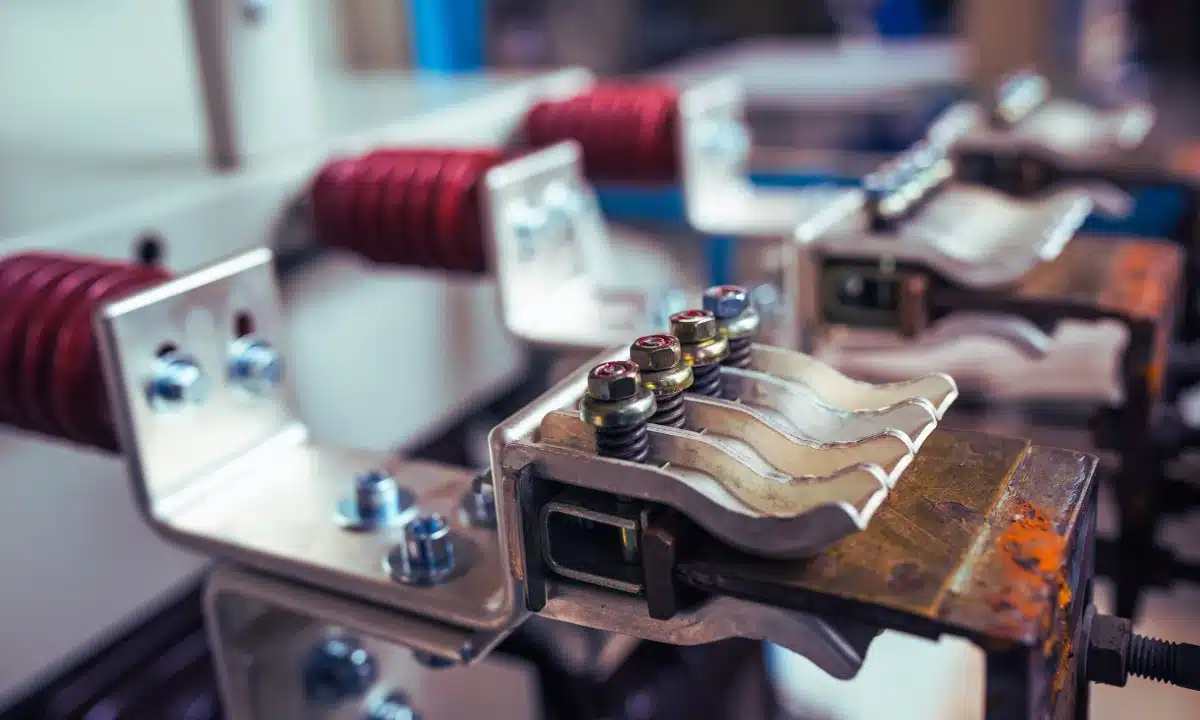
Corrosion is a significant problem that leads to reduced efficiencies throughout entire systems, increased operating and maintenance costs, as well as safety concerns. Busbars are not immune to this; the applications where they are often used, as well as environmental factors such as high temperatures, humidity, salt, and spray, lead to corrosion. To make matters worse, one of the most popular materials for busbars is copper, which, under the right conditions, such as those described above, can corrode. This leads to system failures, outages, and increased safety risks.
Another solution used within the industry is to adopt hybrid busbars in place of traditional copper designs. However, academic and industry research shows that the transition to hybrid busbars introduces new challenges, particularly in terms of corrosion. The contact between dissimilar metals, for example, copper and aluminium, creates conditions for galvanic corrosion, especially in the presence of moisture or environmental contaminants. Over time, this corrosion degrades the joints, increasing electrical resistance and reducing overall system efficiency.
Therefore, as a result, busbar coating is essential to prevent corrosion, making silver and gold plating essential for busbars.
Harsh Environments affect quality and durability
Due to the nature of the applications busbars are used in, they are often exposed to extreme environments where humidity, heat, dust, salt, vibrations, and extreme temperatures are a factor. Surface coatings such as electroplating help protect busbars, making them more durable and giving them the quality and reliability needed to operate efficiently, safely, and effectively in such conditions.
This is why electroplated busbars are vital in aviation, automotive, rail, engineering, and power generation and distribution. Coatings enable busbars to function better by improving performance, longevity, and durability in these applications.
Oxidation

Copper busbars can oxidise when exposed to air and moisture, particularly in harsh environments. This oxidation has a significant impact on performance, resulting in increased electrical resistance, overheating, and energy loss, which ultimately reduces system efficiency.
To prevent oxidation and maintain optimal functionality, applying surface coatings such as silver or tin plating is highly beneficial. These coatings form an effective barrier that protects the copper from adverse environmental conditions.

Dust
Dust can easily accumulate in systems and poses a significant safety concern that should not be overlooked. When it builds up, dust can cause fire risks, system failures, and general safety hazards. It can also create conditions where corrosion accelerates. Coating busbars helps prevent the buildup of dust by providing a smooth, even surface. In environments where dust is unavoidable, electroplated surfaces are easier and quicker to clean, making maintenance more efficient.
Static charge increases dust buildup by attracting airborne particles. Coating busbars in tin helps reduce static charge, thereby decreasing dust accumulation..
Conductivity
Conductivity is vital, as power systems must move high currents efficiently with minimal energy loss. Conductivity should be considered through two lenses:
Electrical
Thermal
Durability
Surface coating increases the durability and longevity of busbars. By adding a thin layer on top of the base material, it acts as a shield protecting the metal beneath. This is especially effective in preventing wear and tear, which can reduce the lifespan of components..
In dry indoor environments without humidity, contaminants, or high heat, coated busbars can last a very long time. In harsher conditions where the environment is guaranteed to reduce the busbar’s lifetime, surface coating will help significantly extend their usable life.
Identification
There are cases where quick and accurate identification is crucial, especially during fault diagnosis or maintenance. Surface coatings, particularly nickel and tin, can assist with this. These coatings offer a variety of finishes, including shiny, bright, dull, and matte, which can help distinguish components. This aids engineers in resolving issues more quickly and contributes to improved safety.
Maintenance
Busbar maintenance is an important factor in the total lifetime cost of a system. The more frequent the maintenance, the higher the running costs. Coating busbars reduces the need for frequent maintenance, saving money over time compared to using uncoated busbars or cables, which may require more attention and servicing.
Safety
Coating busbars enhances the overall safety of electrical and power generation systems. Uncoated busbars can be prone to arcing, electric shocks, static build-up, and short circuiting. These risks are often compounded by dust and contamination, which can lead to fire hazards, system failure, equipment damage, and even pose a danger to personnel on site.
Conclusion
Busbar coatings are not just an extra layer, they’re a vital part of ensuring safety, efficiency, and long-term reliability in demanding environments. Whether it’s for oxidation resistance, heat management, durability, or ease of maintenance, choosing the right surface coating is critical to keeping your systems running smoothly.