


Battery Energy Storage System (BESS) Busbars: Materials, Plating and Design Considerations
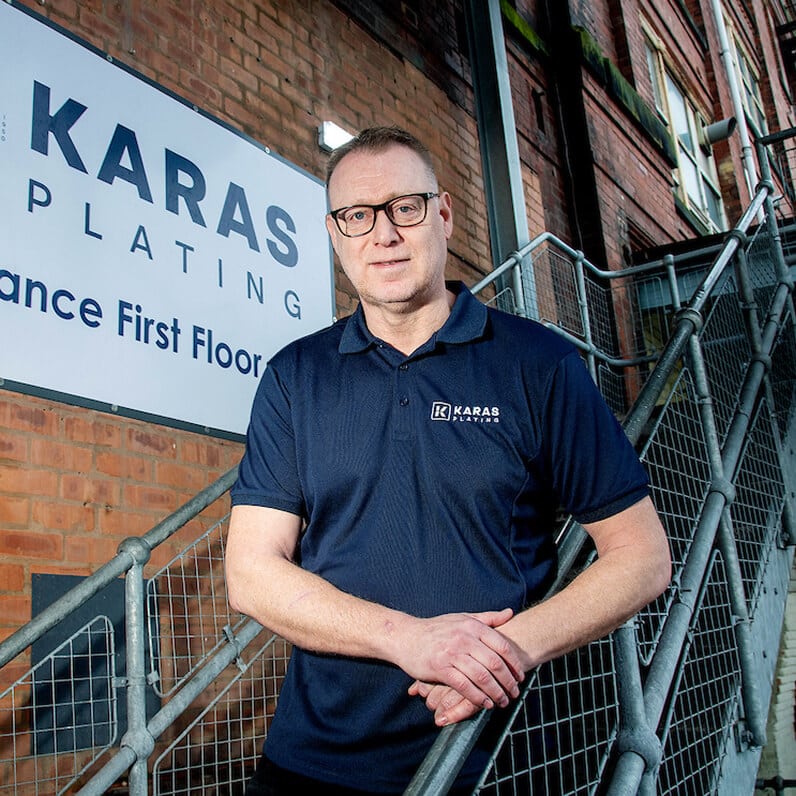

Capturing and storing energy, battery energy storage systems use groups of batteries and are essential for renewable energy systems such as solar and wind power. They are enabling more resilience in the power distribution, grid stabilisation, utility and switchgear markets.
To highlight the growing importance of BESS, the UK has approximately 7.2 GW of operational battery energy storage system (BESS) capacity (roughly 11.8 to 12.9 GWh of energy capacity), with a target of 23–27 GW by 2030. Recently, an independent report by Imperial College London showed that operational BESS capacity in Great Britain surpassed the country’s total nuclear generating capacity for the first time in 2026.
Update (October 2026): The numbers keep climbing. By the end of September 2026, Great Britain had around 8.5 GW of battery storage up and running, with roughly 14.4 GWh of energy capacity.
With these systems, thermal stability, reliability, low power loss and power integrity are important. Electrical connections must be designed for reliable current carrying, low-resistance joints, thermal performance and long-term durability. The components that go inside them, such as busbars, connectors, switchgear and other electrical components, therefore need to meet these requirements.
For battery and energy-storage builders, meeting these requirements includes considering the surface treatment used on their components. They often come to us with detailed questions as well as requests for prices for plating components like busbars for battery and energy storage solutions, so we put this blog together to show what finishes are available, how to get a quote for your next BESS project and some things to consider.
What are busbars?
Busbars used in battery and energy storage are usually metal bars or strips that transport and distribute high electrical current safely and efficiently in the systems. These come in a wide variety of forms, including straight bars, braided, laminated, insulated, plain or plated busbars. The majority tend to be copper busbars, although we are seeing the emergence of aluminium busbars in the drive for compactness, less weight and lower material costs. The latter can reduce weight and material cost, but it normally requires a larger cross-section than copper for comparable electrical performance and careful joint design because of its oxide layer and some surface treatments.
Find out more about busbars in our complete guide to busbars.
Where are they used?
Busbars in BESS solutions are used across the system. This includes:
- Batteries (battery modules, rack connections)
- Distribution
- DC combiner panels, protection equipment and contactors
- Inverters
- Power conversion systems
- Transformers and switchgear
Why busbars are used
They are vital in any BESS solution as they are responsible for not only distributing current but also connecting various parts of the systems, such as batteries, inverters, transformers and switchgear. As a result, they perform these roles:
- Carry and distribute high DC or AC
- Provide low-resistance connections between system components
- Promote modular design for scaling
- Heat dissipation
- Save space versus huge, bulky cables
- Make assembly, inspection and maintenance easier
Surface finishing & treatment
Surface finishing of busbars is often required for these applications, depending on the application, environment, design and technical specification requirements. This is for teams building battery packs, stationary energy storage and mobile or off-grid power systems, and for the fabricators who make their busbars, as it’s important for them to know what finishes are available for busbars.
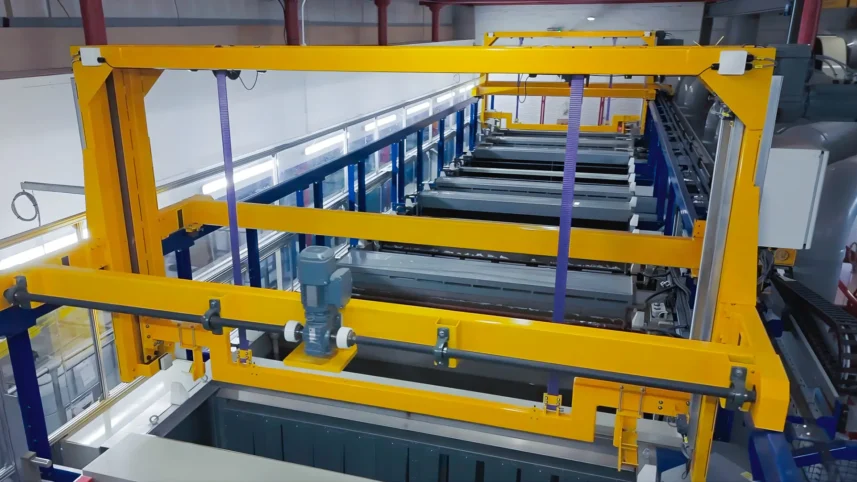
We can offer a wide range of finishes for both battery and energy systems. These include:
- Copper plating
- Nickel plating
- Tin plating (bright and dull tin)
- Silver plating
- Dual/multilayer systems, where we combine finishes to the customer’s request
Find out more about why busbars need electroplating.
Which finish should I choose?
The diagram or specification will usually have the plating requirements, and we will support customers to get a finish that meets that spec. For general guidance, for bolted battery, inverter and charger connections, tin-plated copper is the usual choice, and it is the finish our battery customers have asked for most. Nickel is often plated underneath as a barrier layer, and silver is kept for the highest-current or hottest joints. It is always good to refer to the spec, or if you have any questions about the finish, process, lead times or specifics, please do not hesitate to get in touch with us.
FAQ
Can you do one prototype set, then production?
Yes. Battery projects can start with a single matched set, positive and negative, with production to follow if the design works. We quote the prototype on its own and keep the same process for repeat batches, so production parts match the ones you tested.
Can you plate just the contact faces?
Yes. We have a lot of projects where we plate the whole busbar or only the ends, connection faces and other specified contact areas. The remaining areas are masked so the plating is applied only where required. Mark the plated areas clearly on your drawing and we will include this in the quote. Selective plating can add cost because it requires additional masking, preparation and removal work.
Do you plate aluminium busbars?
Yes, we have plating processes specifically for aluminium busbars. Aluminium naturally forms a tough, electrically insulating oxide film, which must be properly removed and controlled before plating. This is particularly important at bolted electrical joints, where surface condition can affect contact resistance and long-term joint reliability. We have a range of pre-treatment and multi-layer plating systems, such as nickel and tin or nickel and silver, to your drawing and specification. Find out more about aluminium busbar plating.
What should I send for a fast quote?
The quickest quotes come from enquiries that include:
- A drawing or dimensions (length, width, thickness), with hole sizes and which holes are tapped
- Base metal and grade: high-conductivity copper, aluminium or stainless steel
- Finish, standard and class, for example matte or bright tin to a named class
- Coverage: all over, or contact faces only
- Quantity now and expected repeat volumes
- When you need them
Upload your drawing or use our busbar plating quote tool, and we will come back with a quote and any questions.