


How Busbar Plating Contributes to Sustainable Energy Systems
The green and renewable energy industry has seen tremendous growth in recent years, and for good reason. With environmental concerns being such an important topic both domestically and around the world, it’s hardly surprising that companies involved in the production of new sustainable energy solutions are thriving.
When considering the generation and distribution of electrical energy, no matter what the source, busbars are a key component in keeping those systems running.
Where Busbar Plating Matters in Renewable Energy

Improved Conductivity & Connection Reliability

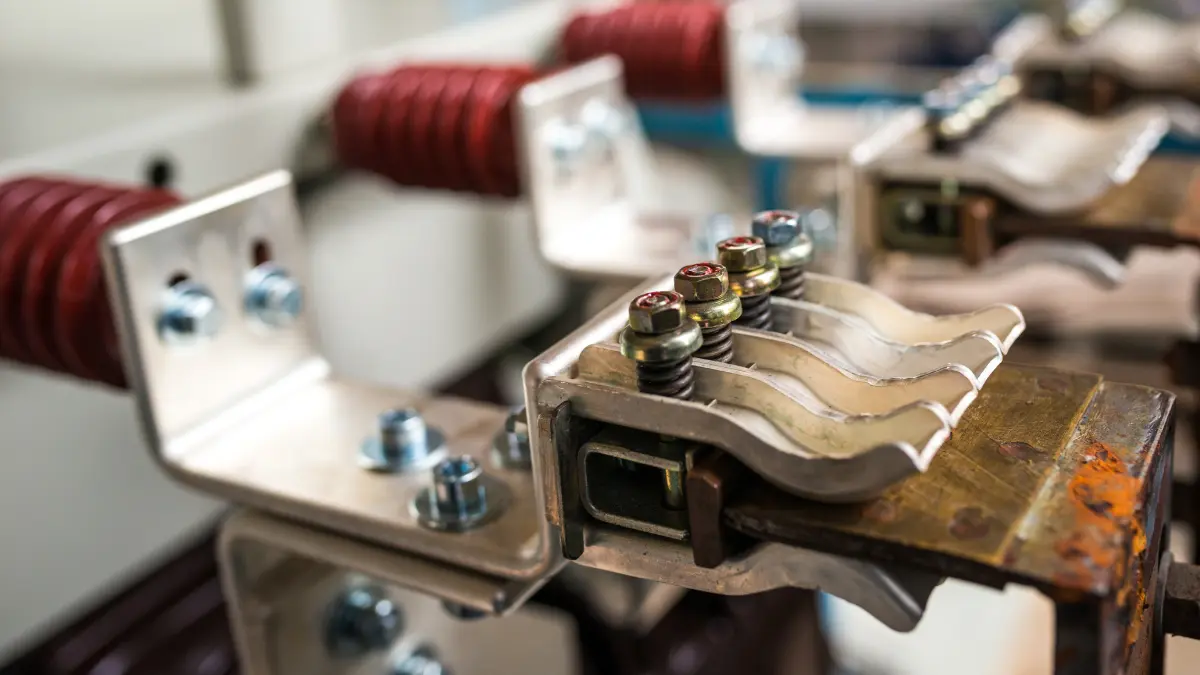
This is a key consideration for any energy system, but especially for sustainable energy sources. To improve the perception of renewable energy as a reliable power source, performance is all important, and, in terms of distribution, that performance is most often affected by the conductivity of the system’s busbars. Therefore, busbar plating is usually specified to protect critical connection surfaces.
On copper and aluminium busbars, surface treatments like tin & silver reduce the risk of oxidation and corrosion on components. Plating is also crucial, particularly at bolted, clamped and plug-in joints, helping to maintain low, stable contact resistance over time. It helps reduce the risk of localised heating at joints, support dependable electrical performance and improve long-term connection reliability. We make sure the finish is consistent across the whole product through our stringent quality checks.
Wind Power
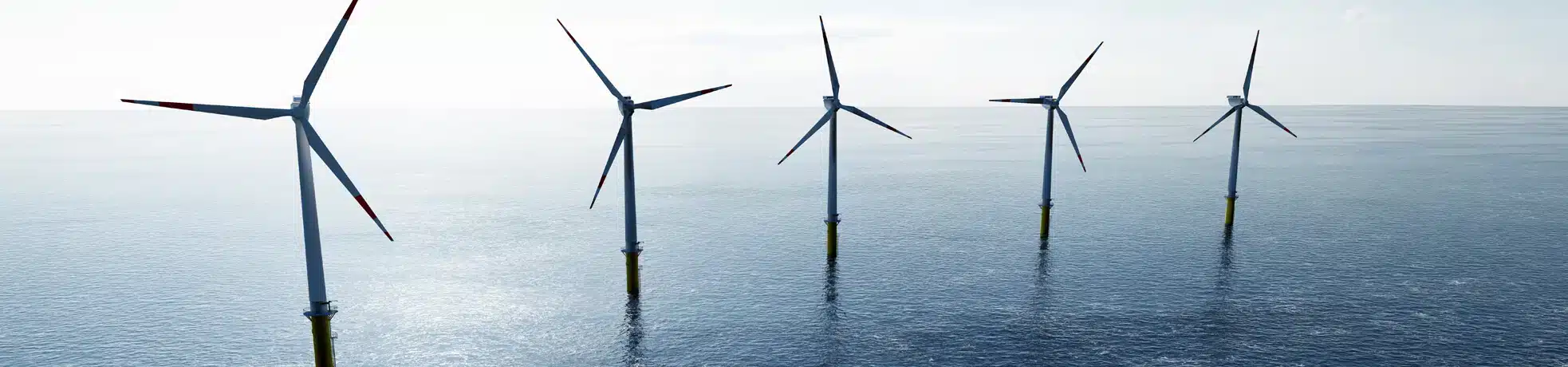
Wind power is an effective form of renewable energy, relying on an inexhaustible resource to turn massive turbines that generate impressive amounts of electricity. In these systems, plating busbars improves connection reliability, corrosion resistance and environmental durability.
Components in wind power solutions operate in challenging conditions that feature movement, vibration, temperature cycling, condensation and, in offshore locations, you can often expect salt-laden air. These conditions accelerate corrosion at electrical terminations and connection interfaces. Electroless nickel can provide a hard, uniform and corrosion-resistant barrier coating.
Solar Power
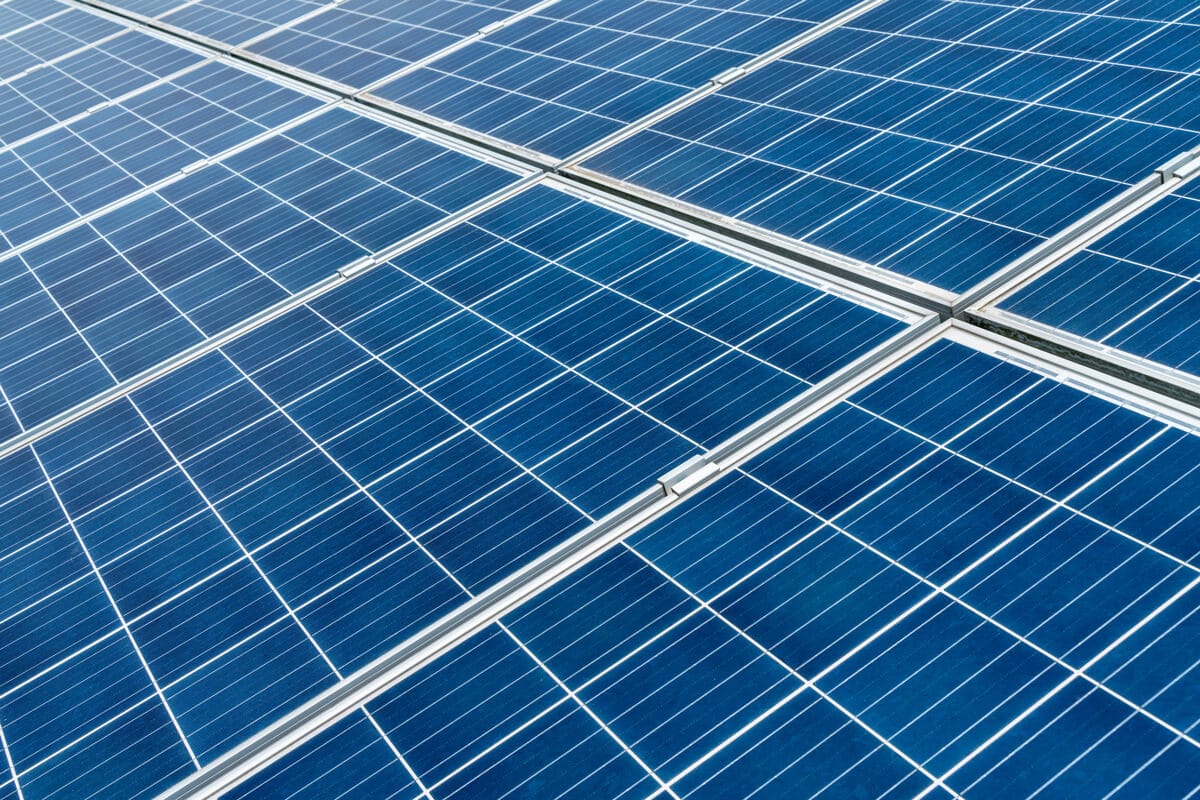
Solar power is another popular sustainable energy source, converting the sun’s rays into DC electricity through photovoltaic cells. In a complete solar installation, that power is then routed through cables, combiner equipment, inverters and, where fitted, battery-storage systems. Once again, conductivity, stable contact resistance, corrosion resistance and durability are important considerations for external copper or aluminium busbars used in solar and battery systems even on roof- or ground-mounted solutions.
For example, PV cell busbars and interconnect ribbons inside a module are not the same as larger external power-distribution busbars used in inverters, combiner boxes or battery assemblies; therefore, the plating specifications should consider the application vs the conductor material, joint type, current level, operating temperature and environmental conditions. We plate copper and aluminium busbars to the finish and thickness specified on your drawing and we can offer advice on the plating process, lead times and cost.
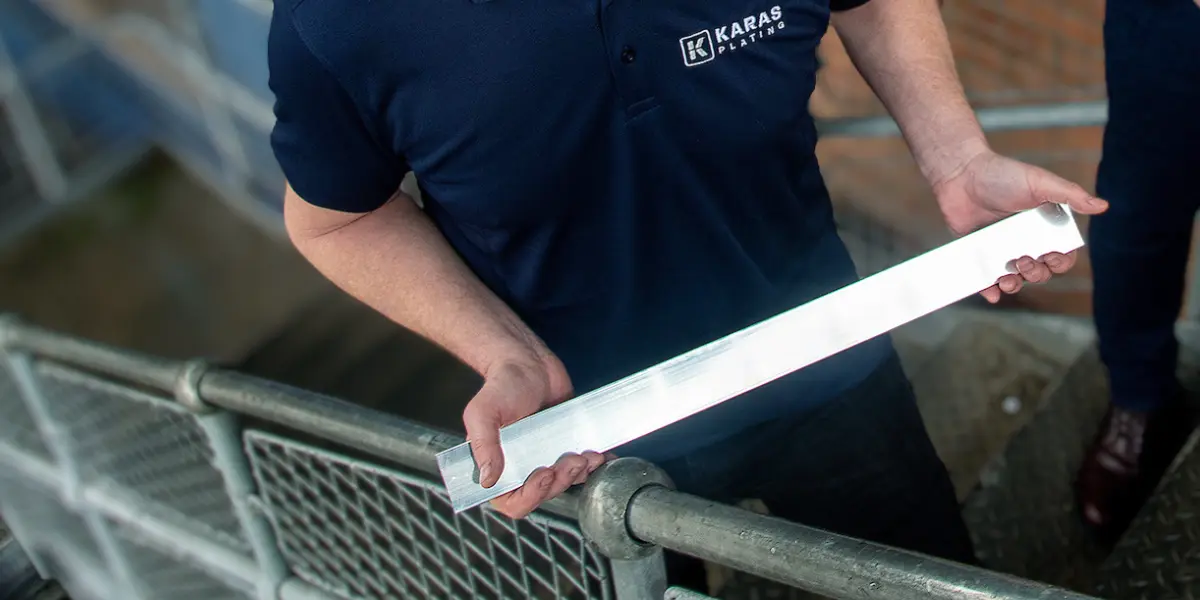
Types of busbars used in sustainable energy systems
Sustainable energy systems depend on a range of conductors and busbar designs depending on the application. Some of these are:
- Aluminium busbars for lightweight, lower-embodied-carbon designs
- Copper busbars for inverters, converters and battery systems
- Custom-engineered busbars to suit specific renewable system layouts and ratings
- High-current DC busbars for batteries, inverters and DC distribution
- PV-related conductors, including cell busbars and interconnect ribbons within the module, alongside external DC collection and distribution busbars elsewhere in the system
Our busbar plating services support copper and aluminium busbars across PV, battery storage and inverter systems, helping you meet your specified requirements for contact reliability, corrosion resistance and thermal performance for long-term safety and reliability.