


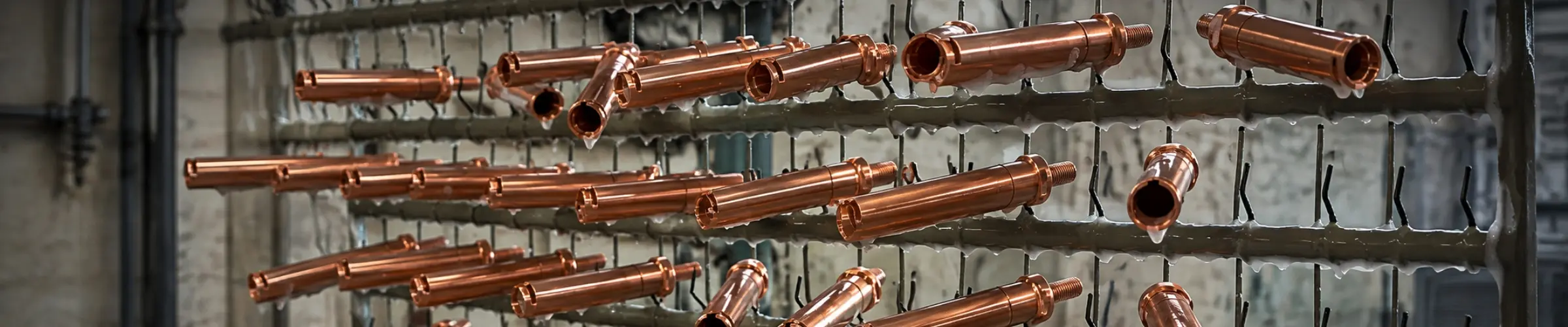

There is no single price for copper plating because the cost depends on the component, its application, the base material, the required coating thickness, the type of copper plating specified and any preparation or additional finishing processes required.
For industrial copper plating, two components that look similar can require very different plating processes. Providing the component drawings, material, required specification and coating thickness is therefore the best way to get an accurate copper plating quote.

What affects the cost of copper plating?
The main factors affecting copper plating cost are:
- The application and operating environment
- The required copper coating thickness
- Whether copper is the final coating or part of a wider plating system
- The size, dimensions and surface area of the components
- The base metal being plated
- The type of copper electroplating required
- Cleaning and preparation before plating
- Any additional pre-plating or post-plating processes
- The overall plating time required
Below, we explain why each of these can affect the price.
1. The application and operating environment
One of the first things that affects the cost is what the component needs to do once it has been plated. A component being used in a relatively controlled environment may have very different requirements from a component intended for a demanding environment, such as parts used at sea or in other applications where corrosion protection is particularly important.
The application and its environment help determine the plating specification, required preparation, coating thickness and whether copper is being used independently or as one part of a wider plating system. This is why understanding the application is important when calculating an industrial copper plating price.
2. Copper plating thickness
The required coating thickness can have a significant effect on copper plating cost. Some of the parts we copper plate need only a very small deposit, while other applications require much heavier copper, sometimes 75 microns or more, depending on the component and its specification.
This required deposit is normally referred to as the coating thickness. Providing the required coating thickness, or the specification it is taken from, when requesting a copper plating quote helps the plater calculate the process accurately.
3. Is copper the final coating or an undercoat?
Copper electroplating is not always used as the final surface finish. It can also be used as an undercoat within a plating system, which means the cost of copper sometimes needs to be considered alongside the cost of the subsequent plating processes.
For example, a mild-steel component requiring silver plating may need one or more intermediate layers before the final silver deposit. Depending on the specification, these may include a copper strike, a copper deposit and a nickel barrier layer to achieve a durable finish and the required functional performance.
Without the correct preparation and intermediate plating process, adhesion problems can occur, and the final coating may fail or peel away from the component. The cost therefore depends on the complete plating system required rather than simply the cost of depositing copper onto the component.
4. Copper plating aluminium
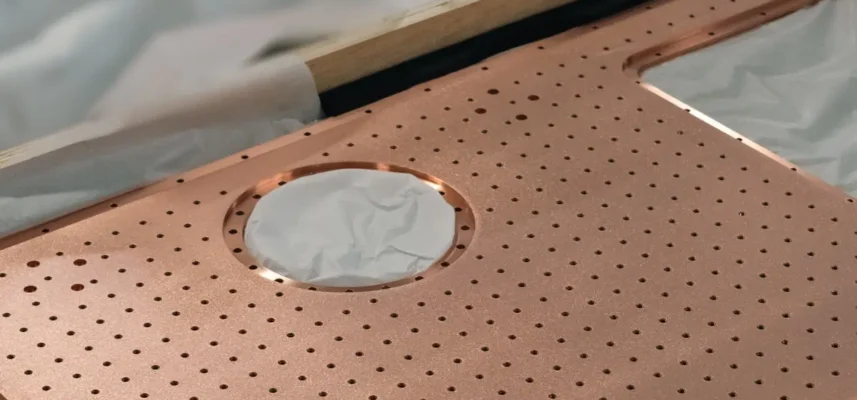
Copper plating can also be applied to aluminium components, including parts used within electrical power distribution systems. Copper plating aluminium can improve surface conductivity, provide coverage and compatibility with a subsequent finish, and help to extend the service life of the component.
Aluminium requires a carefully controlled pretreatment and plating sequence to achieve reliable adhesion. Examples include cleaning, etching, zincating and a suitable strike or intermediate layer before the main copper deposit.
Copper plating aluminium busbars can provide a surface that is compatible with a subsequent finish or specified contact system. However, the electrical benefit depends on the joint design, required deposit thickness, contact pressure, environment and final coating. The substrate, contact areas and complete finishing specification must therefore be considered when pricing the process.
5. Component size and surface area
The size and dimensions of the parts being plated are another important factor, as the electroplating price can be affected by the total surface area that needs to be coated. A small electrical connector or contact, for example, has a very different surface area from a large industrial component.
Dimensions can also affect how the component needs to be handled and processed within the plating line. When requesting a copper electroplating price, providing a drawing is particularly useful because it allows the plating company to understand the component dimensions, surface area and which areas require plating.
6. Preparation and plating time
Some components require additional stages beyond the standard copper plating process to achieve the correct adhesion, quality and durability. Parts may need cleaning before plating, while others may require additional pre-treatment or post-plating processes.
Components can arrive with oils, contaminants or residues on the surface that cannot necessarily be seen with the naked eye. If these are not dealt with correctly, they can affect the plating process and prevent the coating from bonding properly with the base material. In some cases, contamination or problems within the process can even result in components turning black or developing an unacceptable finish.
The added processes increase the amount of time required to complete the job, which can therefore affect the overall copper plating cost.
7. The type of copper plating required
There are several different forms of copper electroplating, and the correct process depends on the application and the base metal being plated. Examples include cyanide copper plating and acid copper electroplating using sulphuric acid-based processes, alongside other copper plating processes for different applications. The correct chemistry and process need to be considered alongside all the other factors.
This is another reason why simply asking for a generic copper plating price can be difficult. If you already have a plating specification, providing it with your enquiry will help ensure that the correct process is quoted. If you do not know which process is required, speaking to an experienced plating specialist and explaining the component and its application can help establish what information is needed.
8. The base metal being plated
Copper can be plated onto a range of engineering materials, which is beneficial but introduces some considerations. Different base metals do not all require exactly the same preparation or plating sequence.
For example, the process for copper plating steel may differ from copper plating stainless steel, brass, beryllium copper, aluminium or zinc. Stainless steel usually requires suitable cleaning, oxide removal and activation immediately before plating because its passive surface film can prevent adhesion.
The material underneath the copper coating, known as the base metal or substrate, also affects the process and therefore the price.
How do I get an accurate copper plating price?
The easiest way to obtain an accurate industrial copper plating quote is to provide as much technical information as possible from the beginning. This includes:
- An engineering drawing
- Component dimensions
- The base material
- The areas requiring plating
- The specified copper coating thickness
- The copper plating specification or required process
- Details of any subsequent plating finish
- Component quantities
- Information about the application or operating environment
Frequently asked questions about copper plating cost
How much does copper plating cost?
There is no standard copper plating price because the cost depends on factors including component size and surface area, coating thickness, base material, copper plating process, preparation requirements and whether copper is being used as a final coating or as an undercoat beneath another finish. Providing drawings and the required plating specification is the best way to obtain an accurate quote.
Does copper plating thickness affect the price?
Yes. The required coating thickness is one of the factors that can affect copper plating cost. Some applications require only a relatively small copper deposit, while heavy copper plating applications can require deposits of 75 microns or more. A heavier deposit requires more material and generally more processing time.
Does the base metal affect copper electroplating cost?
Yes. Different base metals can require different preparation and plating processes. Copper plating steel, stainless steel, brass, beryllium copper, aluminium and zinc can involve different preparation requirements, which need to be considered when producing a quote.
Is copper plating used underneath other metal finishes?
Yes. Copper plating is frequently used as an undercoat within a multi-layer plating system rather than as the final finish itself. Depending on the substrate and specification, copper may be applied before another metal such as nickel or silver. If you are comparing finishes, our guides to silver plating cost and nickel plating cost explain what drives the price of those processes.
What information do I need for a copper plating quote?
Ideally, provide a component drawing, base material, dimensions, quantity, required coating thickness and relevant plating specification. You should also identify which surfaces require plating and provide information about any subsequent finish or particular application requirements.
Karas Plating has more than seventy years of experience in metal finishing, and copper plating has consistently been one of our most popular processes. With thousands of potential applications across multiple industry sectors, we have provided high-quality copper electroplating services to hundreds of customers across the UK.
Whether you already have a detailed plating specification or need technical support with a particular component, you can have confidence that you are speaking to an experienced team with extensive knowledge of industrial copper plating.