



A plating specification is key when it comes to the final finish of your component. The specification defines the coating requirements a component must meet for its intended application.
Reputable electroplating providers will plate to the agreed specification and verify that the finished components meet its relevant acceptance criteria. This helps ensure the finish delivers the required performance, durability and functional properties rather than simply achieving the desired appearance.
Even though plating is just one part of the manufacturing process for many projects, a lot is at stake if a component is not plated to specification. An out-of-spec finish affects the reliability of the finished product in service. This may lead to premature corrosion, increased maintenance, unplanned downtime and associated costs. The impact is felt throughout the whole supply chain as the manufacturer’s quality promise is broken; customers lose confidence in the products, affecting their brand image.
What is a plating specification?
A plating specification is a set of parameters that define how a component should be coated through electroplating. Depending on the application and coating system, it may include:
- Adhesion requirements
- Appearance
- Coating type and grade
- Corrosion-resistance requirements and test methods
- Dimensional tolerances after plating
- Heat-treatment requirements
- Hydrogen-embrittlement relief requirements for susceptible high-strength steels
- Masking requirements
- Minimum or local coating thickness requirements
- Post-plating treatments
- Supplementary treatments, such as passivation, chromate conversion coatings or sealers
This varies depending on the finish. Other factors like the substrate material, component geometry, intended environment, functional requirements and the relevant customer and industry standards can influence the specification.
A plating specification affects performance
When it comes to the performance of parts, the specifier will have taken into account the environment, application and functionality of the component; therefore, if the component’s plating specification is not met, its field performance is affected.
A plating specification matches the environment
It’s important to know the application in which the part will have to operate. For example, humidity, mating, connections and interfaces can all be taken into account so that the specification enables the finished part to operate under these conditions. The specification will also take into account high temperatures, heat and whether the part has to be painted.
The applicable standard depends on the end customer’s requirements
The customer or application often states the required plating specification. However, you can still ask your plating partner questions about the electroplating process, thickness, any field results, etc.
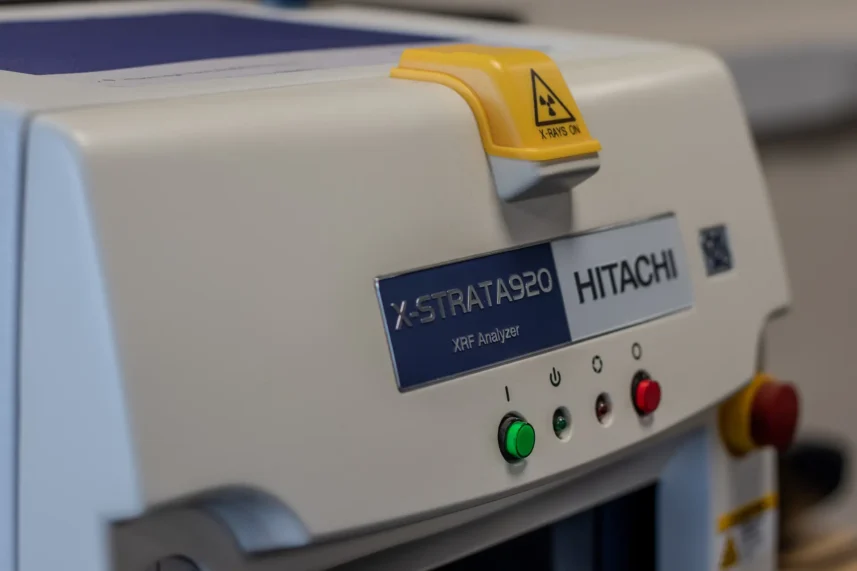
How Karas Plating can help with plating specifications
At Karas Plating, we encourage visitors to include the plating specification alongside the drawing so that we can let the customer know whether the finish is possible, discuss any tolerances and ensure that the plating meets the specification.
We can:
- Confirm whether we can meet the specified finish requirements
- Discuss suitable finish options where the specification is flexible
- Explain process, tolerance and masking considerations
- Identify potential technical or manufacturing issues early
- Advise on inspection, testing and certification requirements
- Provide an accurate quotation