


Zinc plating prices are application-specific as the cost depends on the component’s surface area and geometry, order quantity, required zinc thickness, rack or barrel processing, passivate or topcoat, masking, preparation work, testing and certification. For an accurate quote, provide a drawing, quantity, base material and full finishing specification rather than relying on a generic per-part or per-kilogram rate. Please get in touch with us to get a zinc plating cost for your application.

Zinc plating is used across a wide range of commercial and industrial applications, from nuts, bolts and washers through to machined components and larger fabricated parts. As a result, whether you are developing a new product, preparing components for production or putting together a quotation for your own customer, getting an accurate zinc plating cost is important.
This is why we always recommend getting a quotation based on your actual components and specifications rather than working from a generic zinc plating price. We created this guide to explain the main factors that affect the cost of zinc plating and the information required to prepare an accurate quotation.
What affects the cost of zinc plating?
There are several factors that can move the price of zinc plating up or down. Some of these relate directly to the component itself, while others depend on the process, specification and quantity required.
Component size and surface area
One of the first things we need to understand is the size of the component and how much surface area needs to be coated. A small fastener is very different from a large fabricated steel component, even if both require the same zinc finish. The amount of surface that needs plating affects the amount of processing required and therefore has an impact on the overall price.
It is also important to know whether the whole component requires plating or whether certain areas need to be masked and left uncoated. The component size, weight and geometry will also determine how the parts are processed.
Rack plating or barrel plating
Some smaller components, particularly items such as nuts, bolts, washers and screws, can be suitable for barrel plating. Other components need to be rack plated, which involves individually mounting components onto jigs so that they can be processed correctly.
The correct method depends on the size, shape, material, finish requirements and condition of the component. This is another reason why two apparently similar zinc plating jobs can have very different costs.
Quantity
The number of components you need plating will also have a significant effect on the overall zinc plating cost and the price per component. We have a minimum order charge of £350. This is particularly important to consider for prototypes and very small batches.
For example, a prototype batch of 20 components can work out considerably more expensive per component than a production order containing 5,000 identical parts.
There are fixed elements involved in preparing and processing an order. On larger repeat or production quantities, these costs can be spread across a much greater number of components, which can create cost efficiencies.
This does not mean that we cannot support smaller quantities. We have the capability to support prototypes, trials and validation work as well as larger production requirements, including projects requiring industry qualification processes such as PSW and PPAP.
Coating thickness
Coating thickness is another important part of determining the cost of zinc plating.
Quite simply, applying 2 microns of zinc is not the same as depositing 30 microns of zinc onto a component. A thicker coating requires more deposited material and additional processing time, which can increase the cost.
However, plating thickness should not normally be chosen simply because one option is cheaper. Your required thickness may already be determined by the application, customer drawing or relevant specification. If a particular coating thickness has been specified, there may be very little flexibility to reduce it purely to save cost.
When requesting a quotation, it is therefore important to tell the plater the required coating thickness wherever this has already been defined.

Passivate and topcoat
The zinc deposit is not always the complete finish, as depending on the application and specification, a particular passivate or additional topcoat will also be required. Zinc plating is available with different passivate finishes, and the finish you require can also affect the price. Our zinc plating options include zinc plate and passivate with:
- Yellow passivate
- Clear passivate, often called clear/blue as it can have a slight blue tint
- Black passivate, which can range from a deep black to a dark grey finish
The passivate is an important part of the overall coating system and may be determined by the appearance, corrosion protection requirements, customer specification or drawing. Different passivate and topcoat requirements can involve different processing stages and chemistry, so the price can vary depending on the finish specified.
For this reason, it is important not to request a price for simply “zinc plating” if your component actually requires a particular passivate or topcoat, as this may not provide enough information to give an accurate price. If your drawing specifies zinc plating with yellow, clear or black passivate, or another defined finishing system, include this when requesting your quotation so that the price accurately reflects the finish you need.
New or already plated parts
Another important factor is whether the components are new parts being plated for the first time, or existing parts that need to be refurbished and replated. Existing parts may already have zinc, paint, another metallic coating, corrosion or contamination on the surface that needs to be removed before they can be plated again.
Refurbishing and replating parts can therefore cost more because additional processes may be required, including cleaning, stripping the existing coating and preparing the surface before the new zinc coating can be applied.
If you are requesting a quotation for existing components, it is useful to tell us what finish is currently on the parts and, where possible, provide photographs or drawings. This allows us to account for the preparation work required and provide a more accurate zinc plating price.

Specifications, testing and certification
For commercial zinc plating work, parts will need to be plated to standards such as BS EN ISO 2081 or ISO 4042. Other projects may have additional testing, documentation or certification requirements. These requirements need to be considered as part of the quotation because they can affect how the parts are processed, inspected and documented.
Hydrogen embrittlement and high-strength parts
If your components are high-strength, hardened, cold-worked or safety-critical steel components, hydrogen embrittlement may be considered before zinc plating is specified.
Depending on the material, strength and specification, hydrogen-embrittlement-relief baking may be required. This can affect process selection, cost and lead time, so it is important to identify it at quotation stage.

How much does it cost to zinc plate bolts and fasteners?
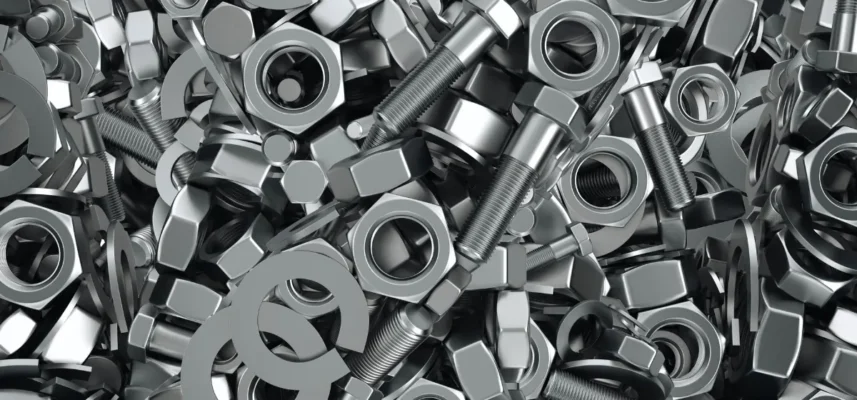
Nuts, bolts, washers, screws and other fasteners are some of the most common parts that require zinc plating. There is still no single cost for zinc plating bolts because the same factors apply. The quantity, dimensions, coating thickness, specification, passivation, and processing method all need to be considered. A small batch of specialist fasteners will therefore have a very different unit cost from thousands of production fasteners processed to the same specification.
Can zinc plating be priced per kg?
We also see people searching for zinc plating cost per kg. Weight can be useful information when discussing an order, particularly where large quantities or heavy fabrications are involved, but using a generic zinc plating price per kg can give a misleading figure.
What do we need to give you an accurate zinc plating price?
The more information you can provide when requesting a zinc plating quotation, the more accurately the job can be assessed. Ideally, send us your component drawing together with the quantity required. Where available, you should also include the base material, required coating thickness, passivate or topcoat, relevant plating specification, masking requirements and any testing or certification requirements.
If all of this information is already contained within the drawing, you can simply send the drawing to us for review.
If you do not yet have a complete specification, that does not necessarily stop you from speaking to us. Tell us what the component is, what it needs to do and what stage your project has reached, and our team can discuss the plating requirements with you.

Why getting an accurate zinc plating quote matters
Using a generic zinc coating price during the early stages of a project might seem convenient, but it can create problems later. If you are costing a manufacturing project, preparing an RFQ or quoting your own customer, an unrealistic plating allowance can affect the profitability or viability of the entire job. This is why we believe it is better to work from the actual component, quantity and specification wherever possible.
Rather than trying to estimate the zinc plating cost from a generic online price, send us your drawings and requirements. We can review the job and provide a price based on what you actually need.