


The Importance of Busbars in Semiconductor Equipment, Facilities and Manufacturing

Busbars play a unique role in the semiconductor industry, playing a crucial role in powering the intricate network of fabrication equipment. Their ability to manage and distribute electrical power efficiently is vital for the smooth operation of semiconductor plants.
In this article, we take a look at how busbars are used within the sector and how high-quality busbar plating can improve performance.

Efficient Power Distribution

Busbars are designed to ensure a steady flow of electricity to various semiconductor fabrication tools. They need to provide dependable high-current connections and repeatable electrical performance.
This not only includes the provision of power, but also involves optimising power distribution to reduce losses and enhance the overall energy efficiency of the manufacturing process.
Reliability and Precision
Electroplated conductors also ensure reliable distribution of power to critical equipment like photolithography machines and etchers. They play a key role in the intricate process of semiconductor fabrication, where precision and consistency are paramount.
Thermal Management
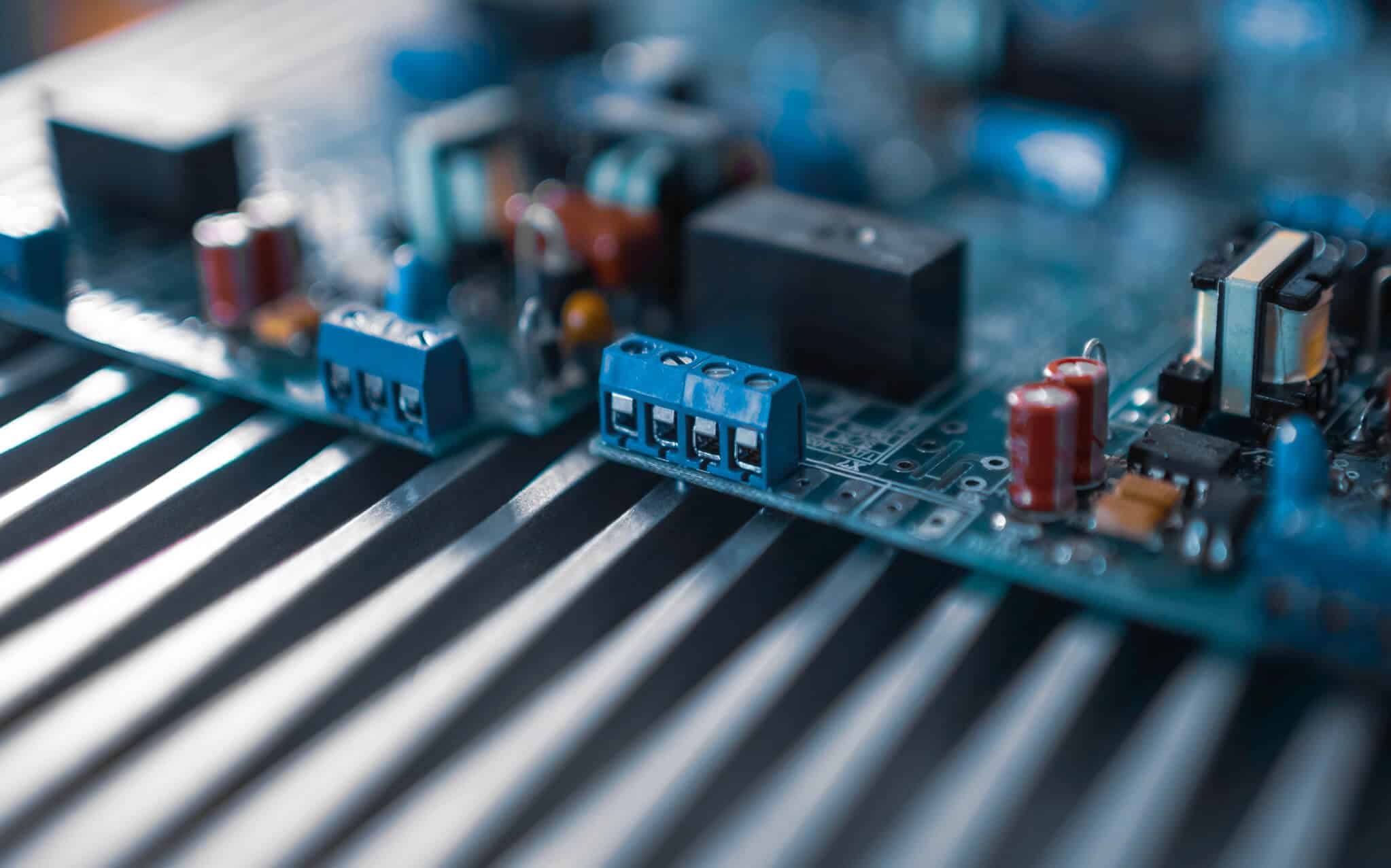
Given the heat generated in semiconductor manufacturing, conductive strips are important for maintaining stable electrical currents and preventing equipment overheating. This thermal management is vital to protect delicate circuits and ensure high-quality production outcomes.
Why Are Busbars Key?
Semiconductor manufacturing places demanding requirements on electrical infrastructure, making power quality, uptime and maintainability key design priorities. Even brief power-quality disturbances can interrupt sensitive production processes, trip equipment and potentially lead to wafer loss. Busbar systems therefore require careful design and selection as part of a reliable and maintainable power distribution system.
Applications
You will often find busbars across semiconductor facilities and the electrical equipment that supports them, in areas such as:
- Facility upgrades, expansion projects and modular infrastructure
- Main and sub-distribution switchgear
- OEM electrical cabinets and high-current equipment
- Power-conversion and rectifier assemblies
- Supporting high-reliability manufacturing equipment
- UPS, battery and standby-power systems
How Busbar Plating Can Benefit the Semiconductor Industry
Busbar plating is a crucial process in the semiconductor industry, aimed at enhancing the performance and efficiency of busbars used in power distribution systems within semiconductor manufacturing facilities. Plating is not just a cosmetic post-manufacturing application; instead, it significantly impacts the busbar’s electrical and physical properties, leading to improved performance and efficiency in several ways:
Increased Conductivity
Plating materials such as silver, tin, or nickel enhance the electrical conductivity of busbars, which is crucial for efficient power transmission in the demanding semiconductor manufacturing environment. Silver, for instance, has the highest electrical conductivity of all metals and, when used as a plating material, can significantly reduce electrical resistance. This increased conductivity allows for more efficient power distribution with less energy loss.
Clean, consistent contact surfaces enabled by electroplating help maintain low and repeatable contact resistance on busbars.
Corrosion Resistance
Corrosion can degrade the performance of electrical busbars over time, leading to increased resistance and power losses. Plating with materials that are resistant to corrosion, such as nickel, can protect busbar systems from the harsh environments often found in semiconductor manufacturing facilities, which may include exposure to chemicals or high humidity. This protection extends the life of busbars and maintains their efficiency.
Improved Solderability
Certain plating materials, like tin, can enhance the solderability of busbars. This is particularly important in the assembly and maintenance of power distribution systems, where secure and efficient electrical connections are crucial. Improved solderability leads to better connections, reducing the risk of power losses at connection points.
Enhanced Durability
Plating provides busbars with added durability, ensuring they can withstand the harsh conditions commonly found in semiconductor plants, including exposure to corrosive chemicals and high temperatures. Increased durability ensures that busbars maintain their performance over longer periods, reducing the need for replacements or repairs.
It’s also important to remember that plating should be considered amongst other important factors like material choice (aluminium, copper, CCA, etc.), dimensions, current rating, joint design, finish (copper, gold, nickel, silver, tin, etc.), tolerances and inspection.