




A conductor is any material, such as metal, that allows electricity to flow and enables power distribution. The most common conductors use copper and aluminium as base metals, though other metals, such as brass, can also be used.
Since conductors transfer and carry electrical current, they must be efficient to minimise power loss, maintain safe operating temperatures for the application, durable to reduce maintenance requirements, and reliable to prevent failures that could lead to fire, arcing, or equipment damage.
While base metals such as aluminium and copper are suitable for many applications, certain demanding environments require performance enhancement. Using these metals without surface treatment leaves them vulnerable to oxidation, corrosion, and wear. Base metals also have inherent weaknesses that can make them unsuitable for specific applications.
Surface Treatment of Conductors
One of the most effective surface treatment options for electrical conductors is electroplating. This is a process that applies a thin layer of metal onto the conductor to enhance its performance, durability, and reliability.
Without surface treatments like electroplating, many conductors would be unsuitable for the demanding environments found in automotive, electric vehicle, data centre, power generation, renewable energy, aerospace, and various industrial applications. Plating provides the surface enhancements that make them viable across this wide range of uses.
What conductor components can be electroplated?
With over 70 years of experience in metal finishing, we electroplate a wide range of conductor components, including:
- Busbars & switchgear
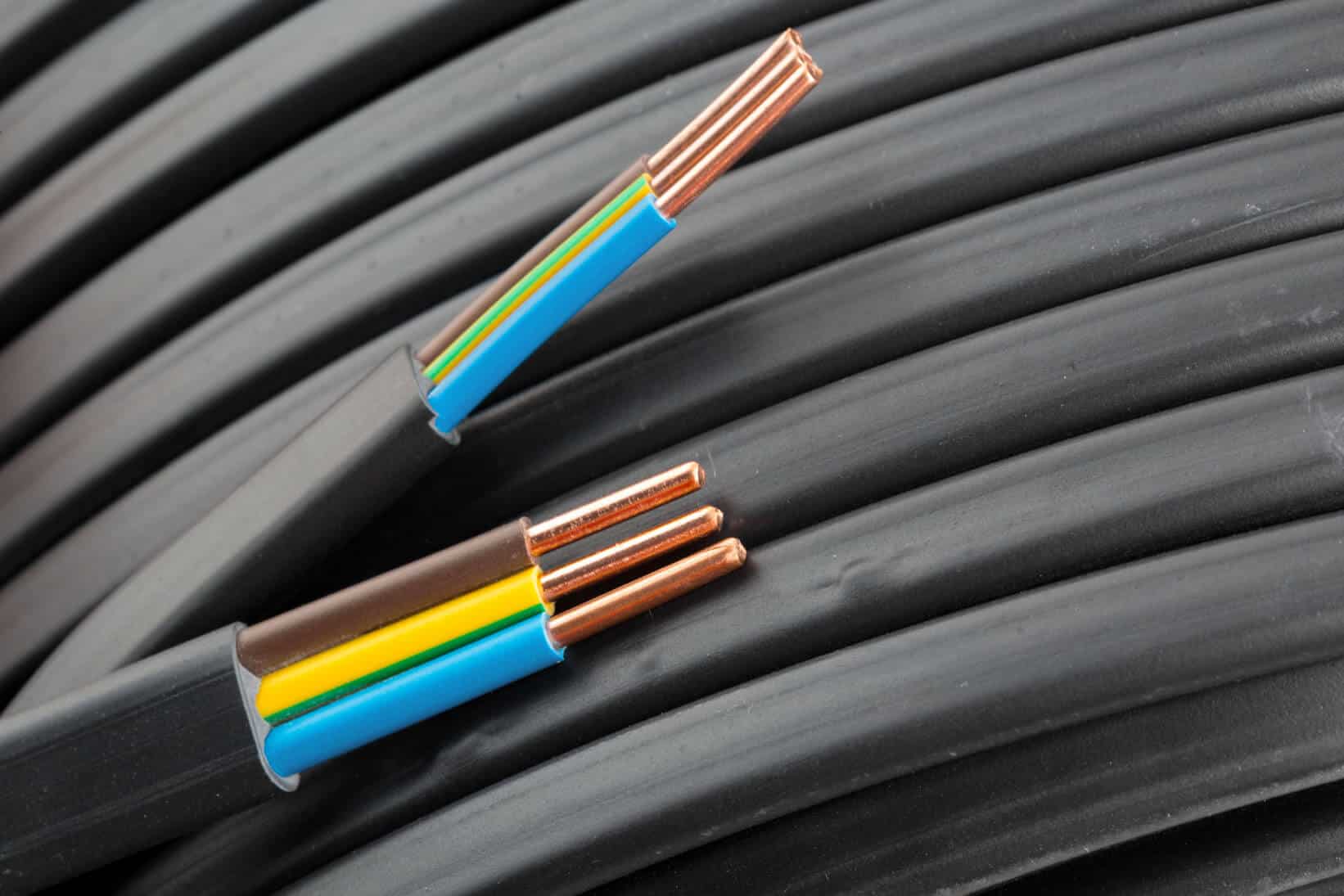
- Cabling, cores & wires
- Connector pins
- Electrical contacts
- PCB traces
Why conductor plating is important
Saying that “plating enhances performance” doesn’t capture the full value of electroplating. The real impact becomes clear when you understand the specific, measurable benefits that electroplating delivers in conductor design and manufacturing.
Benefits of Plating Conductors
Enable joints which would not always be possible
Coated conductors allow you to utilise materials which would not be possible without plating, saving cost and resources. For example, when dissimilar metals are joined (such as copper alloys to aluminium or other metals), galvanic corrosion can occur at the contact surface, causing tarnishing and oxidation that increases resistance.
Electroplating the contact surface with a compatible metal like silver or tin, it reduces the risk of this corrosion occurring.
Improve durability
Conductors are faced with harsh operating environments which affect how durable they are. Plating protects the base metal and prevents corrosion and wear resistance, meaning they last longer.
Improve efficiency
By plating conductors, you can expect high electrical conductivity at contact points, reducing contact resistance to prevent signal degradation and power loss. Metal silver plating, for instance, maintains excellent conductivity even when oxidised, as silver oxide remains conductive.
Solderability
Electroplating makes conductors easy to solder, which makes them ideal for applications where joints are used. Tin and silver coated conductors provide excellent wettability and bond strength.
Mechanical wear
Electroplating conductors enables them to withstand mechanical wear from repeated contact, friction, and movement without degrading their electrical performance.
Lightweight
Some materials used for conductors, like copper, are very heavy. In applications where weight and assembly are factors, electroplating enables aluminium to be used as a lighter alternative with protected contact surfaces.
Lower costs
Due to the durability, hard-wearing and quality provided by electroplating, components can last longer, reducing the need for downtime, maintenance and replacements, which is crucial in applications such as power distribution, rail, aviation and data centres.

Plating Processes for conductors
Conductors can be plated with a range of metals depending on the application requirements, including tin, silver, nickel, zinc and gold. You can see our range of plating processes for conductors here
Multi-layer electroplating
We specialise in multi-layer plating systems where we apply a base layer, such as nickel or copper, before applying the final layer, such as silver. This approach is used when adhesion to the base metal is a concern, when additional barrier protection is required, or for specific applications demanding enhanced durability and corrosion resistance.
Plating thickness options
We can provide plating thickness from flash plating to high build, which can be up to 50 microns for high-wear environments or applications requiring extended service life
This range accommodates conductors used across diverse environments where performance requirements and space constraints vary significantly.
Selective (masked) plating for conductors
It’s not always necessary to plate the entire conductor; in some projects, we often discover that only the contact interfaces require plating. This significantly reduces plating costs, particularly important when specifying expensive plating metals like gold or silver. Our masking techniques allow for precise, selective plating of only the necessary areas. Selective plating also prevents plating on areas where it might interfere with assembly, insulation, or mechanical tolerances.