


Antimony Silver, Hard Silver or Pure Silver Plating: Which Is Right for Your Components?

Silver plating comes in different variations, from standard silver plating, which uses a high-purity silver deposit or regular silver deposit, to antimony and hard silver plating, which are designed to give the coating greater hardness and wear resistance.
Whilst antimony and hard silver may overlap, there are some key differences. However, the exact deposit chemistry, hardness and electrical properties will depend on the plating process and your specified requirements.

In many cases, the decision will be set by a technical specification or engineering drawing, so this article will show what each option is intended to achieve. You can submit a drawing or request a quote for more information.
Pure or “regular” silver deposit
- Conductivity 0.63 megamho/cm
- Density of deposit 10.5 g/cm³ or 1.05 mg/cm² @ 1 micron
- Hardness 75–95 VPN depending on the process
- Purity 99.9%
Antimony Silver alloy
- Conductivity 0.1 megamho/cm
- Density remains roughly the same at 10.4 g/cm³
- Hardness goes up to 120–160 VPN
- Purity 99.2%, remainder being Sb (Antimony)
The exact alloy composition and performance should always be confirmed against the required specification, drawing or approved process data.
When you might need standard silver plating
Silver metal plating is soft, which can be an advantage on static electrical joints and high-current interfaces. It is widely used where excellent conductivity and low contact resistance are more important than wear resistance. Benefits are:
- The best electrical conductivity
- Low electrical contact resistance
- Excellent thermal conductivity
- A relatively ductile deposit
- Good performance on static or bolted electrical connections
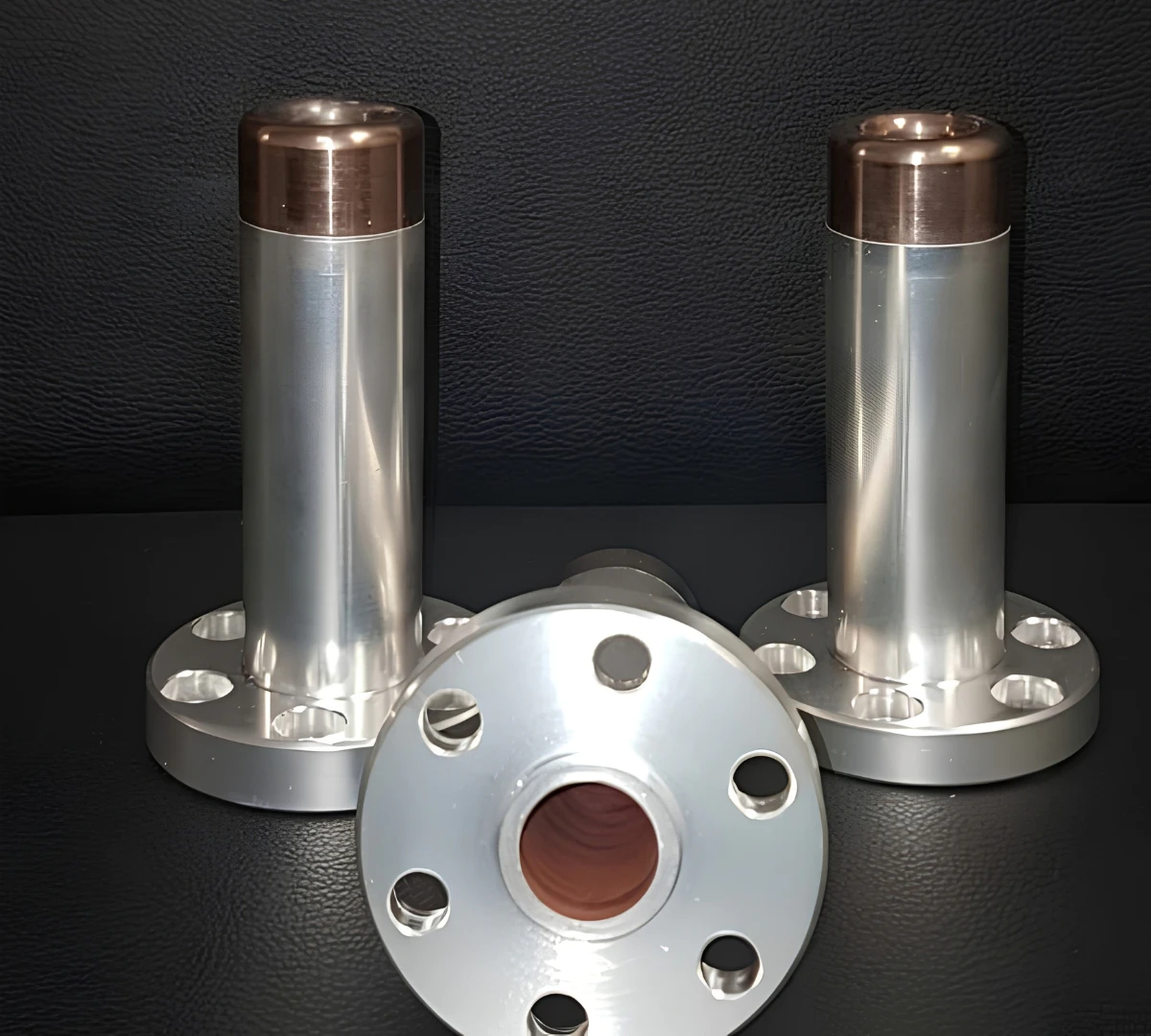
Standard silver plating is not advantageous for applications that involve movement, especially parts that involve mating, rubbing, and sliding. The soft finish will likely wear quickly.
When you might need hard silver plating
Hard silver plating is in the name – hard; it is not as soft as the standard silver plating, which means it can stand up to more wear than the standard silver plating process. Hard silver plating is suitable for:
- Components subject to repeated movement
- Applications where wear resistance is important
- Sliding electrical contacts
- Frequent connection and disconnection
- Parts specified with a particular hardness requirement, such as 160 HV
There isn’t just a single hard-silver process and set of specifications; therefore, the exact deposit chemistry and hardness should be confirmed from the drawing or customer requirement.
When you might need antimony silver plating
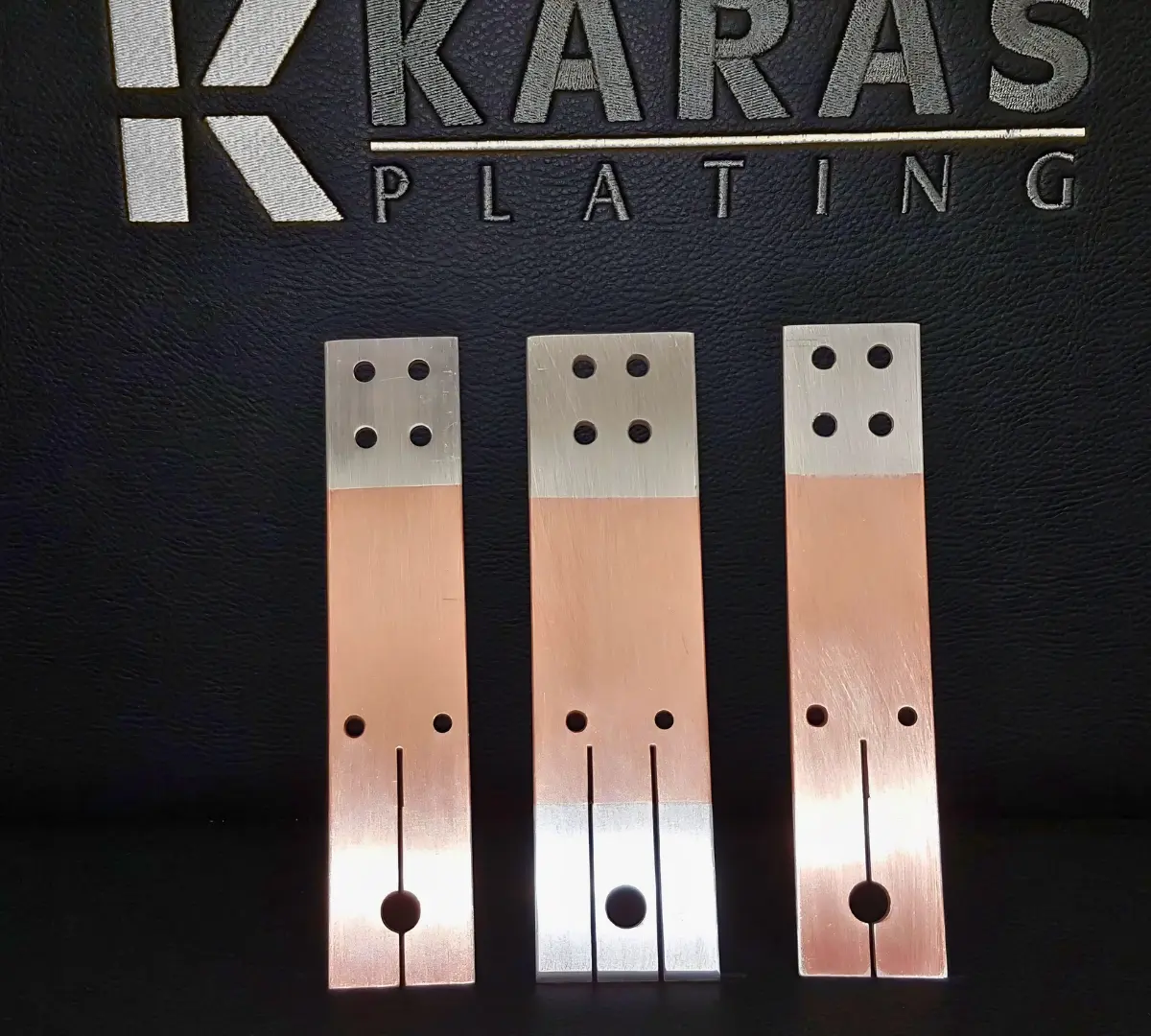
Antimony silver plating may be selected where a specification calls for a silver-antimony deposit or where a harder silver surface is needed without moving away from a silver-based finish. It is suitable for:
- Applications where fretting wear is a concern
- Electrical contacts that require more wear resistance than pure silver can provide
- Parts subject to higher mechanical loading
- When the specification or drawing explicitly states an antimony-silver requirement
Whilst antimony silver plating raises the hardness beyond some forms of hard silver plating, it can reduce electrical conductivity to some extent. The right balance depends on whether the component’s main priority is conductivity, mechanical durability or compliance with a specified drawing.