



Electroplating feels like it should be a modern phenomenon, but nothing could be further from the truth. The process as we know it today – along with the methods employed – can be traced directly back over 200 years. The principles behind it – of bonding one metal with another – go back even further, across millennia, in fact.
At Karas Plating we are, of course, at the forefront of modern plating techniques. However, whatever industry you’re in, it’s good to be aware of its history – to know the landmark changes in the past that have affected the modern business.
Here are some of the key developments, from the earliest days of metal plating through to the modern day.
2000 – 500 BC: Bronze Age

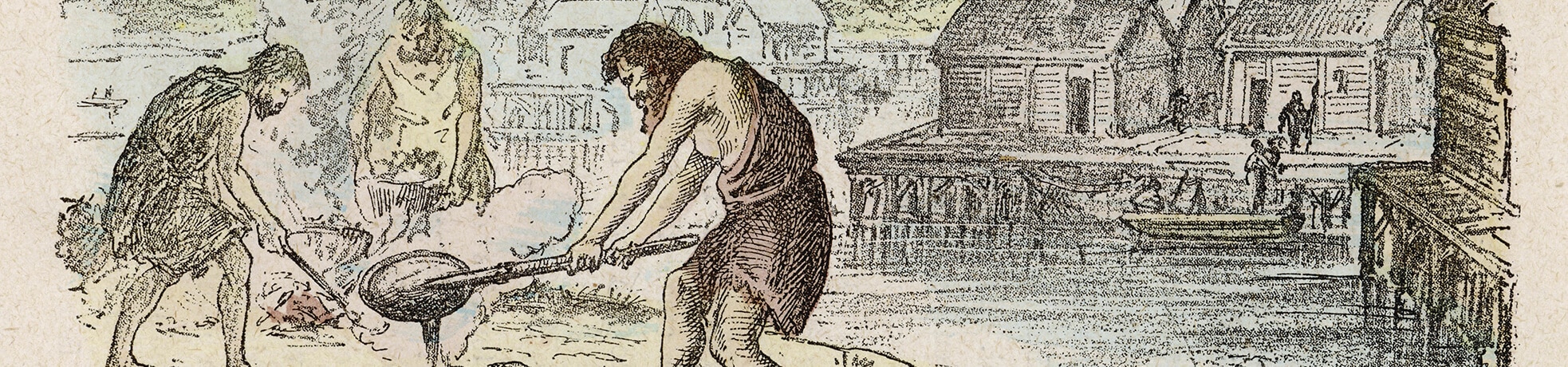
Archaeologists have found examples of metal inlays dating as far back as the third millennium BC.
Discovered in the Middle East and North Africa, these finds demonstrate that metal foils were inlaid into grooves cut into stones and wood. In some instances, the original items – the substrate – were entirely enveloped in these foils. This was more than just wrapping. The surface metals had been intricately hammered and shaped to create an effect. By the second millennium, metal foil had given way to metal leaf, with gold leaf proving a popular choice for statues.
625 BC – 476 AD: Roman Period
Displacement plating was first discovered – or, at least, first described – during the Roman period.
Specifically, Pliny the Elder mentions mercury gilding in the first century AD. Small pieces of gold were mixed with mercury, with the solution being brushed onto the substrate. Once finished, the object in question was heated, allowing the mercury to evaporate. This left behind a beautiful and delicate layer of gold plating.
5th – 15th Century: Medieval Period
Often regarded by non-historians as a dark time in history, the medieval period saw many advances in technology, including metal plating.
From the ninth century, displacement plating was being used on suits of iron armour. They would plate the iron with copper, making a better surface for gilding it using mercury.
Another technique – this one using an inlay method – was also developed. The process was called damascene after the city of Damascus in Syria, where it was a popular embellishment. Damascene involved cutting a design into the substrate, then hammering a pliable, decorative metal into the grooves.
15th – 17th Century: The Renaissance
The earliest methods of metal plating spanned the Bronze Age through to medieval times. The Renaissance Period picked up where they left off, carrying developments in metal plating all the way through to the start of Queen Victoria’s reign.
The Renaissance covers a period from the 15th to the 17th century. It saw the end of feudalism and serfdom, and the rise of the scientific method, mass literacy, and astronomy. It also saw developments in the displacement plating method. Beautifully decorated items such as clock dials were often plated with silver. Instead of hammering in silver leaf or foils, artisans created solutions and pastes using silver salts.
Late 18th – Early 19th Century: The Industrial Revolution
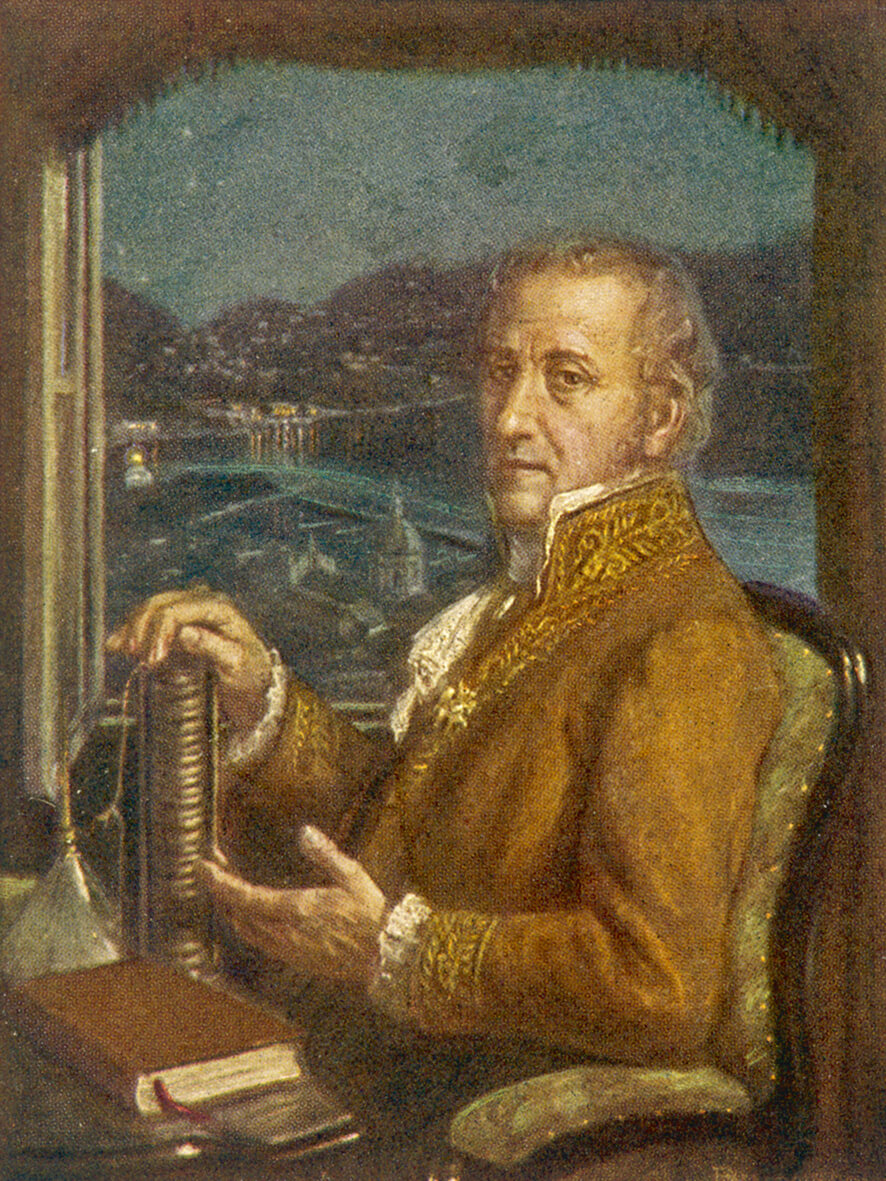
This is where the story of electroplating really gets going. In 1800, Alessandro Volta invented what is generally accepted as the first electric battery. So revolutionary was this innovation that the Emperor Napoleon made Volta a count for his work. This portable source of electricity was the very catalyst needed to take the next step in plating metal. Indeed, many people began experimenting as soon as Volta’s findings on electrochemical batteries were published. Among them was British scientist William Cruickshank, who first reported on his experiments in electroplating a year after Volta’s invention. His early efforts managed to deposit small amounts of metal onto a Volta battery from a copper solution.
However, though Cruickshank proved the possibility of electroplating as a technique, he is not considered its inventor. That honour goes to Italian chemist Luigi Brugnatelli. In 1805 – using a similar method to Cruickshank – Brugnatelli managed to plate gold onto the surface of silver medals. Using a gold solution and a Volta battery, he effectively invented the process that we use today.
Mid-to-Late 19th Century: Electroplating in Europe
The Renaissance and the Industrial Revolution gave the world what would become the standard electroplating technique. Central to that story were the Elkington cousins, whose experiments with gold and silver plating made them a commercial success — and set the template for everything that followed. From there, those techniques developed over the turn of a century and through two world wars.
The Elkingtons were successful almost immediately, with huge demand for their plated products. At this time, electroplating was largely used for decoration, though the printing industry was using copper plating for its presses. Following the Industrial Revolution, there was a newly-wealthy middle class in Britain, with an appetite for beautifully plated artefacts. Similarly, the Russian aristocracy desired gold-plated items to demonstrate their enormous wealth.
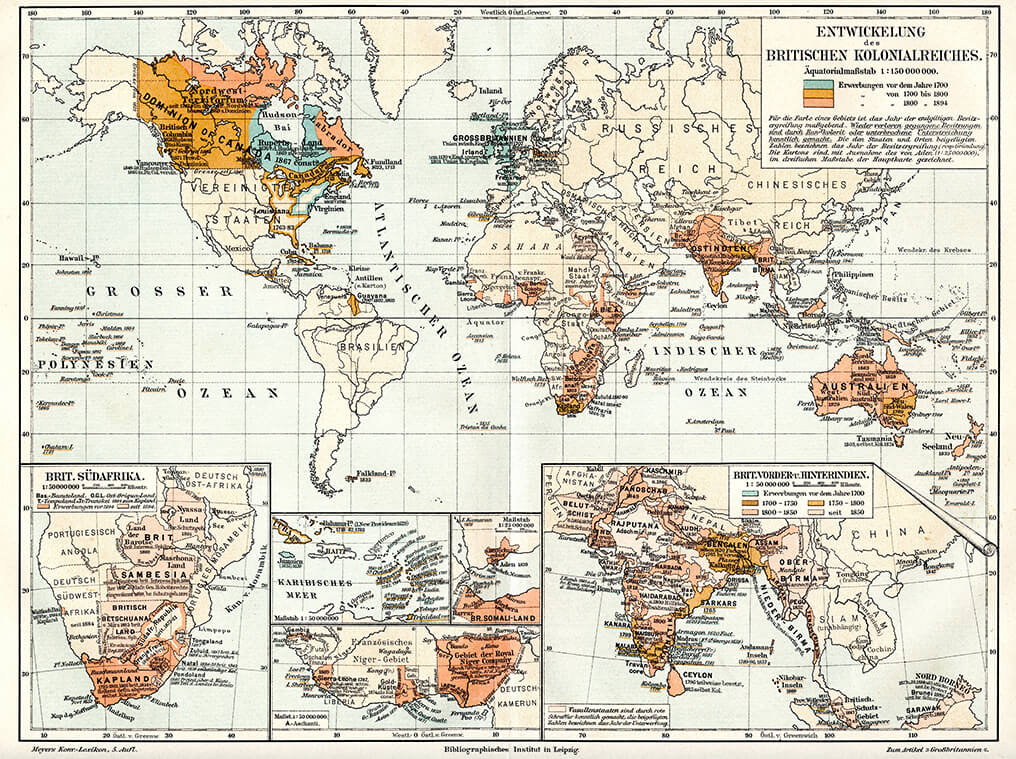
In 1871, the invention of a dynamo generator by Zénobe Gramme made electroplating both more accessible and cost-effective. This led to electroplating businesses being founded across Europe. At the same time, the British Empire was expanding, covering the globe. In its wake it brought British culture, fashions, and inventions, of which electroplating played a major part.
However, in both British and European society, electroplating counted as a trade, rather than a science. This meant that the formulae and techniques using the process were jealously guarded as trade secrets. Producers of electroplated materials were not free with their research as the founding scientists had been. This caused the process to become unreliable and developments in electroplating began to stagnate.
Early 20th Century: A New Century
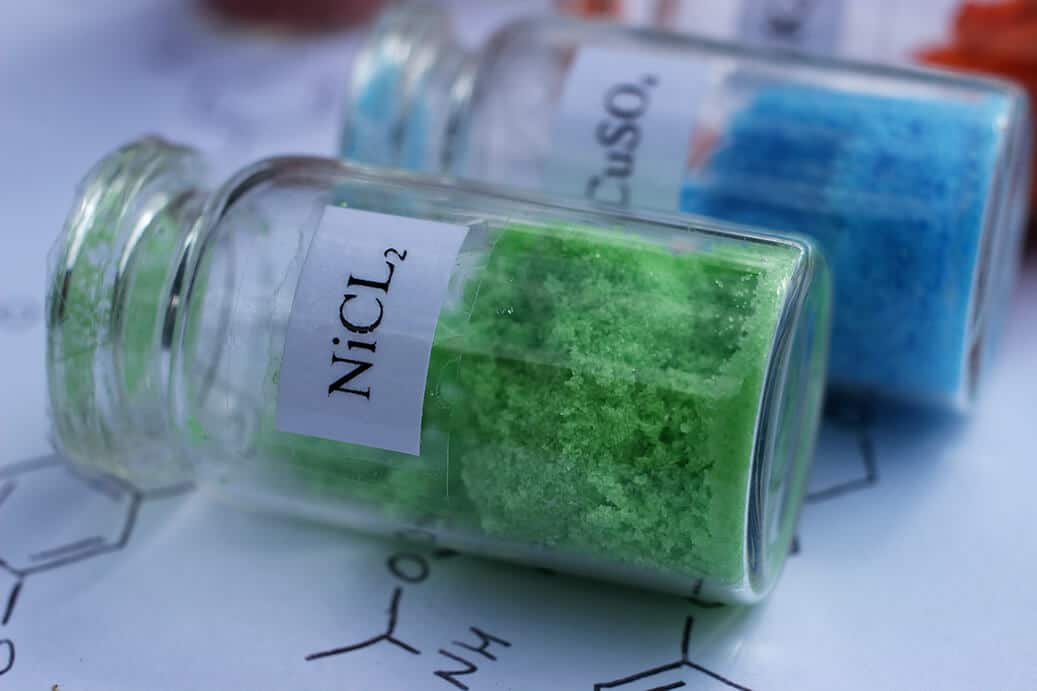
As we entered the 20th century, electroplating began to be recognised as a science. In 1913, the American Electrochemical Society held a symposium on the electrodeposition of metals. The Society gave Francis C. Frary a grant to collect all electrolytic gold and silver recipes from around the world. Later that year, Frary published his work – 193 recipes in total – representing the sum knowledge of electroplating at that time. It was a turning point. Electroplating was now a science, instead of a trade secret.
The 1940s: The Gilded Revival
The 1940s saw a surge in the electronics industry and a subsequent need for quality gold plating. This led to the first significant changes to the electroplating process since the mid-19th century. Scientists developed safer, more effective methods of electroplating, ones that didn’t require dangerous cyanide baths. Almost overnight, the industry replaced cyanide baths with acid baths. They also began using gold electrolytes containing no excess cyanide.
1970 to Present Day: The Silicon Age
The preceding era took electroplating from mid-Victorian England through to 1969. Many of those techniques remain applicable today, because the fundamentals have not changed. The Elkington plating company, for instance, is still a respected manufacturer of gold-plated dinnerware. All that has really changed is the sophistication of the processes.
1970 saw the birth of the Silicon Age – of which our current Digital Age is still a part. This brought with it the need for better processes to account for the small components and circuitry essential to the electronics industry. IBM began using electroplating in its computer chip production during the 1970s, as well as older damascene techniques. In the decades that followed, gold electroplating was also used on the electrodes in fuel cells, as well as circuit board contacts. These days, gold-plating isn’t the only process the industry uses – it makes use of other metals for things such as protective coatings, contacts and other applications.
Electroless Plating
It seems counterintuitive, but metal plating without the benefit of electricity is a comparatively recent development. The possibility had been considered in the mid-19th century, but never put to industrial use. In 1944, Abner Brenner and G.E. Riddell discovered the process for a second time, entirely by accident. They had been experimenting with different currents, substrates, and additives to the solution, without much success. At some point, they disposed of the current and realised that they could plate nickel using sodium hypophosphite. The sodium hypophosphite acted as a source of electrons, rather than the electric current. Electroless plating is today used for many applications and involves many different metals, including cobalt, copper, silver, gold and more.
Non-Metal Substrates
A major innovation in the last few decades is the ability to plate non-metal surfaces. Something that would have been unthinkable during the early days of metal plating is now commonplace. It is even possible to plate materials as diverse as glass, plastic, ceramic and Kevlar. Using a non-metal substrate offers certain advantages. For instance, plated plastic is considerably lighter than solid metal, while sharing the same strength and durability. This makes it invaluable in the automotive and aeronautic industries, amongst others.
Which brings us to the modern day. What developments will occur in the electroplating industry in the future? How many innovative new applications will it enable? Nobody knows. We do know one thing – whatever the changes, Karas Plating will be right there at the cutting-edge for all your plating needs.