



Silver electroplating is a widely specified surface-finishing process for electrical components where high conductivity, thermal performance, environmental reliability, and compliance requirements must be carefully balanced.
Whether you are producing high-current power components or sensitive electrical contacts, silver plating provides a reliable, proven solution across a wide range of industrial applications.
Contact us today to discuss silver plating for your electrical parts
What is Silver Electroplating?
Silver electroplating is the process of depositing a controlled layer of silver onto a conductive substrate using an electrochemical cell. Silver ions are transferred from a plating solution onto the base metal, forming a thin, adherent, uniform, and highly conductive coating.
Plating thickness is measured in microns and is specified according to application requirements, performance expectations, client specifications, or relevant industry standards. Silver electroplating is commonly used to improve electrical conductivity, thermal performance, corrosion resistance, reflectivity, and surface reliability in electrical components.
Silver-Plated Electrical Components
As a leading silver-plating specialist in the North West of England, Karas Plating works with manufacturers and engineering businesses in the UK, USA, Europe and the rest of the world to silver plate a wide range of electrical components including, but not limited to:
- Busbars
- Contacts
- Cryogenic components
- Circuit Breakers
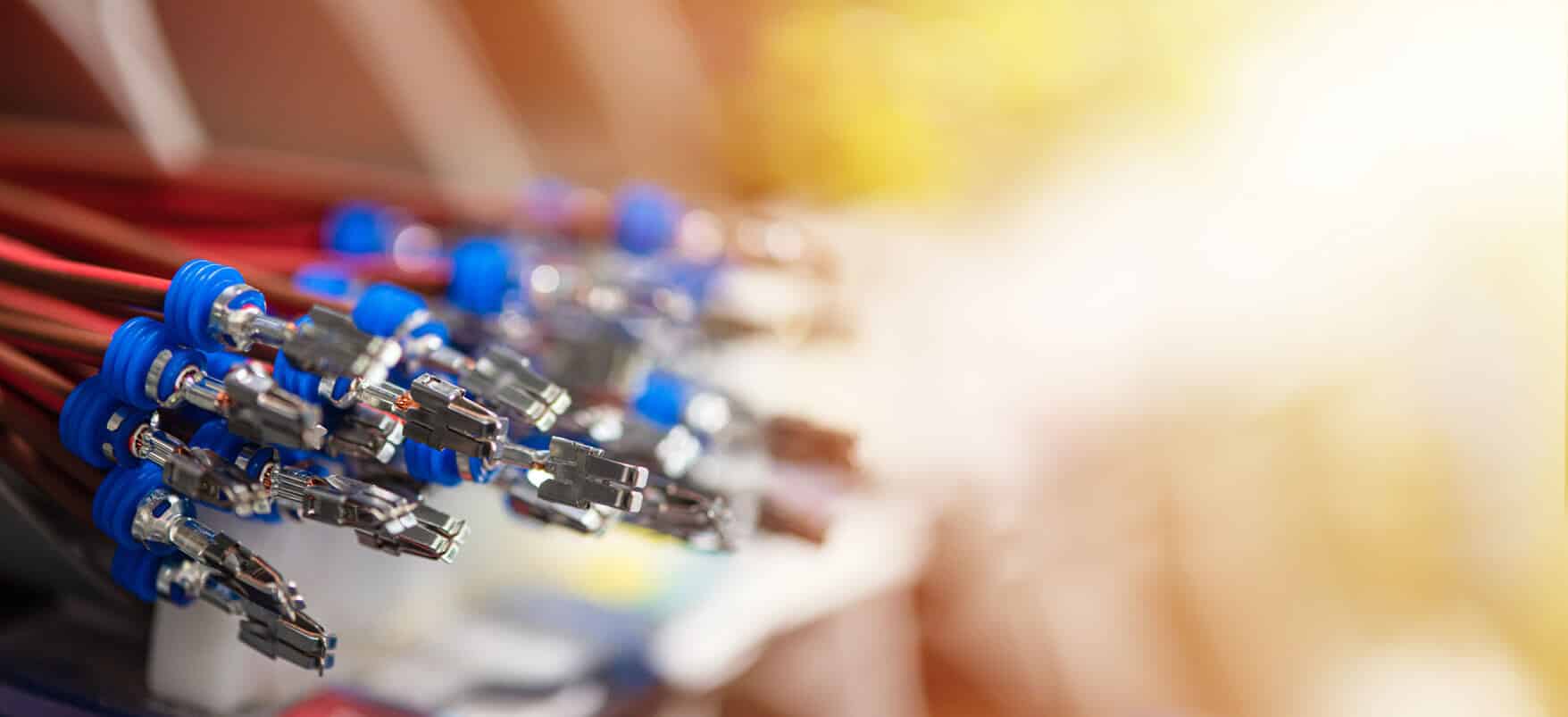
- Electrical connectors
- Fasteners used in electrical assemblies
- Low-level signal contacts and connectors
- Power connectors and terminals
- Printed circuit boards (PCBs)
- Switchgear and power distribution interfaces
If your parts need better electrical conductivity, we can support your requirements with our electroplating capabilities. Simply submit a technical drawing and receive a fast, accurate quote for silver electroplating.
Have specs or drawings ready? Upload your technical documents and receive a fast, accurate quote for silver electroplating on all your electrical components today.
Why Is Silver Plating Important for Electrical Parts?
Manufacturers and designers can choose from several surface treatments for electrical components, but silver plating is especially important because it delivers outstanding electrical and thermal performance. Here are some reasons why silver plating is ideal:
Electrical Conductivity
Silver is the most electrically conductive metal available, making it an ideal plating choice for many high-current and high-power electrical applications. While silver can tarnish when exposed to air, it remains a preferred finish for many power and high-current applications where low contact resistance and consistent electrical performance are critical, particularly where contacts wipe and/or have adequate contact force to break through surface films.
For this reason, silver plating is widely used on power distribution components such as busbars, connectors, contacts, and switches.
Flexibility Across Substrates
Although copper is a common base material for electrical components, silver plating offers significant flexibility because it can be applied to a wide range of substrates. These include aluminium, copper, stainless steel alloys, bronze, and other engineering metals, using appropriate pre-treatments and, where required, underlayers (such as nickel or copper) to ensure adhesion and long-term performance.
This versatility allows silver electroplating to be specified across many different electrical designs and component types without compromising performance.
Thermal Performance
Heat build-up is a common cause of performance loss and premature failure in electrical systems. Silver plating supports effective thermal management because silver offers not only the highest electrical conductivity, but also the highest thermal conductivity of any common engineering metal.
This allows heat to be efficiently transferred across contact interfaces and away from local hot spots, improving reliability and safety under sustained electrical or thermal loads, even though the bulk of heat spreading is still handled by the underlying copper or aluminium.
Corrosion Resistance
To protect electrical components from degradation caused by air exposure, environmental conditions, chemicals, or other contaminants, silver electroplating is frequently specified.
When correctly applied, paired with appropriate underlayers, and specified for the operating environment, silver provides excellent corrosion resistance and long-term contact stability, particularly in wiping or high-contact-force designs where any tarnish film is mechanically disrupted.
Cost-Effective Performance
Silver plating offers a practical balance between performance and cost. While gold provides excellent conductivity and outstanding resistance to corrosion and tarnish, it is significantly more expensive; silver delivers many of the same functional benefits, including high conductivity and good solderability, at a lower cost for larger contact areas and power components.
Silver electroplating also provides many of the advantages of solid silver at a fraction of the material cost. For applications requiring conductivity, corrosion resistance, or a decorative finish, silver is key for electrical and industrial components, and we are continuously investing in our processes to provide the most-efficient silver plate possible.
Silver Compared with Other Electrical Plating Finishes
Silver plating is commonly used in power contacts, busbars, and RF or microwave signal paths where extremely low electrical resistance and high surface conductivity are required.
Nickel plating, by contrast, is typically used as a barrier or undercoat beneath tin or gold finishes, with its primary function being to control metal diffusion and improve wear resistance rather than act as the final contact surface in most connector systems.
Silver sits between these finishes as the preferred solution for high-current, high-power, or harsh-environment applications, where minimal electrical losses, thermal performance, and long-term contact reliability are more important than maintaining a tarnish-free cosmetic appearance.
Why Choose Karas Plating for Silver Electroplating?
- Specialists in industrial silver electroplating for electrical components with the largest proven and commercial available dimensional capacity in the world
- Multiple silver coating methods available, including barrel plating and rack plating, on industry-leading automated lines.
- Immersion silver plating options for applications requiring thinner coatings
- Capability to handle precision and turned parts as well as high-volume production
- Use of 99.9% pure silver for components exposed to high electrical loads or elevated temperatures
- Multi-layer plating solutions available, including nickel underlayers for enhanced durability and performance
If silver electroplating exceeds your budgetary requirements, bright tin plating is often a suitable alternative. Tin is widely used for high-volume electrical connectors and automotive terminals, offering a cost-effective and technically reliable solution where silver is not essential.