


The rapid growth of AI data centres is placing new demands on electrical infrastructure. Unlike traditional facilities, AI workloads drive sustained, high-density power consumption, with switchgear and control gear operating continuously under significant electrical and thermal load.
In these environments, reliability is critical. Even small increases in resistance or heat at connection points can affect efficiency, accelerate wear, and increase the risk of unplanned downtime. As a result, manufacturers and designers are paying closer attention not only to switchgear design, but also to the materials and surface finishes used throughout the assembly.
How AI Data Centres Change Switchgear Operating Conditions
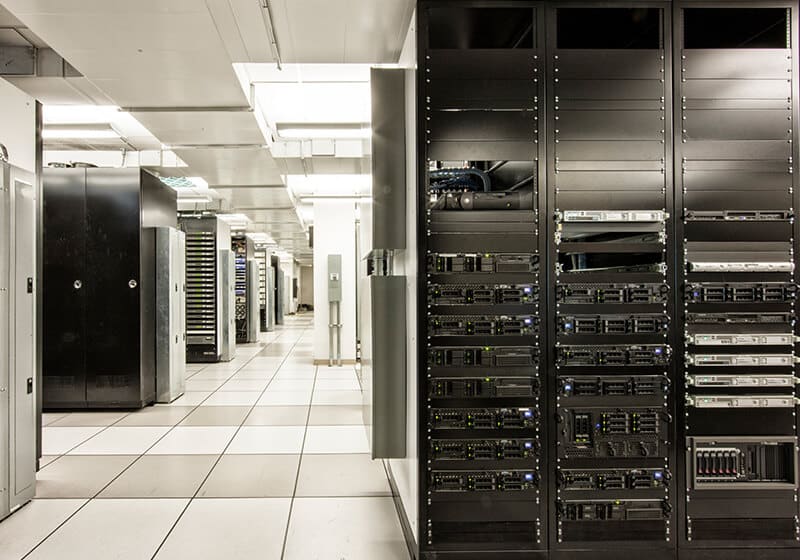
AI data centres and other hyperscale facilities are designed to support power-hungry computing systems that run at consistently high utilisation. This creates a different operating profile for low voltage switchgear compared to more variable commercial or industrial installations.
Key challenges include:
- Higher current densities across busbars and connectors
- Sustained thermal loading within enclosures
- Long service life expectations with minimal tolerance for performance drift
Under these conditions, maintaining stable electrical performance over time becomes just as important as initial specification.
Where Performance Degradation Can Occur Over Time
Even well-designed switchgear assemblies can experience gradual performance degradation during service life. Common contributing factors include:
- Oxidation of exposed copper surfaces
- Increases in contact resistance at joints and interfaces
- Localised heat build-up at connection points
- Increased wear and tear
- Corrosion from aggressive chemical environments
While these effects may be negligible in lower-duty applications, they become more significant in high-load, continuously operating environments such as AI data centres.
The Role of Plating in Supporting Electrical Stability
Components come in a wide range of metals from aluminium, copper, steel and more. Therefore, surface finishing plays an important role in helping switchgear components maintain consistent performance throughout their service life. Nickel and tin plating are widely used in electrical applications to protect copper components and support predictable electrical behaviour.
Tin plating provides good corrosion resistance, low contact resistance, and excellent solderability. It helps protect copper from oxidation, particularly at connection points, supporting stable conductivity over time.
Adding a nickel underlayer introduces a dense, wear-resistant barrier between the copper substrate and the tin finish. This helps limit copper diffusion into the tin, improves corrosion resistance, and supports long-term reliability, especially in applications subject to elevated temperatures or continuous load.
In higher current or frequently switched contact applications within switchgear assemblies, silver plating may also be specified to achieve extremely low contact resistance and strong performance under electrical load. Finish selection ultimately depends on the duty profile and performance expectations of the system.
Managing Heat and Current Density in AI Data Centre Switchgear

As current density increases, so does the importance of controlling resistance and heat generation. Even minor increases in resistance at contacts or interfaces can contribute to additional heat build-up, which may accelerate material degradation.
Nickel and tin plating help address this by:
- Maintaining clean, stable contact surfaces
- Reducing the risk of oxidation at critical interfaces
- Supporting consistent electrical performance under sustained load
Rather than acting just as a cosmetic finish, plating becomes part of a wider reliability strategy for high-availability infrastructure.
Busbars and Large Components in Data Centre Power Distribution
AI data centres often rely on large copper busbars and complex assemblies to distribute power efficiently. These components must perform reliably over long service periods while handling high currents within confined spaces.
Consistent plating across large components helps ensure:
- Uniform corrosion protection
- Predictable electrical performance along the full length of the busbar
- Long-term durability in demanding operating environments
This is particularly important where assemblies are expected to perform without interruption for extended periods.
Plating as a Reliability Decision, not a Finishing Choice
In AI data centre environments, the cost of downtime is high and tolerance for failure is low. Decisions around materials and surface finishes therefore form part of a broader approach to managing risk and maintaining system availability.
Nickel and tin plating support this approach by helping switchgear, control gear assemblies and data centre busbars retain their mechanical, electrical, and thermal performance throughout their operational life.
For manufacturers supplying switchgear into high-load environments such as AI data centres, surface finishing should be considered an integral part of the engineering process, not a final-stage aesthetic decision.
Supporting High-Performance Switchgear Assemblies
Karas Plating works with manufacturers producing low voltage switchgear and control gear assemblies for demanding applications. Our nickel and tin plating processes are designed to support consistent quality, reliable performance, and long-term durability across a wide range of component sizes and configurations.
Our finishes help control contact resistance, oxidation and temperature rise, supporting compliance with IEC 61439 temperature‑rise limits in modern switchgear assemblies.
For applications where electrical stability and reliability are critical, surface engineering plays an important supporting role in delivering high-performance power distribution systems.
Talk to Us About Plating for AI Data Centre Switchgear
If you are designing or manufacturing switchgear for AI data centres, now is the time to review how surface finishing supports long-term performance under sustained load. Our team can advise on suitable nickel, tin or alternative plating options based on your current density, operating temperatures and service life expectations.
If you are in the early design phase, validating prototypes, or scaling production, we can help you define a plating approach that aligns with your reliability and performance objectives. Get in touch to discuss your application and explore how we can support your next project.